Rising mortgage costs accentuate North/South divide, EXP data reveals
North and Midlands outperforming the South, where values are falling, according to big estate agency boss Adam Day.
Homebuyer demand across England has edged down in the first quarter of 2026, with higher mortgage costs continuing to weigh more heavily on southern markets than those in the Midlands and North, it has been revealed.
Data from EXP’s Sales Demand Index shows overall demand fell by 1.6% in the first three months of this year, with 42.4% of homes listed having secured a buyer, a slight drop both on the previous quarter and the same period last year.
The data also reveals a growing regional divide, with counties across the Midlands and North seeing modest gains in demand, while southern locations recorded pronounced declines.
Some of the strongest quarterly increases occurred in Derbyshire, Lincolnshire and Durham, while areas such as Surrey, Wiltshire and Hertfordshire saw some of the biggest falls.
The latest figures highlight an increasingly clear regional divide across England’s housing market.”
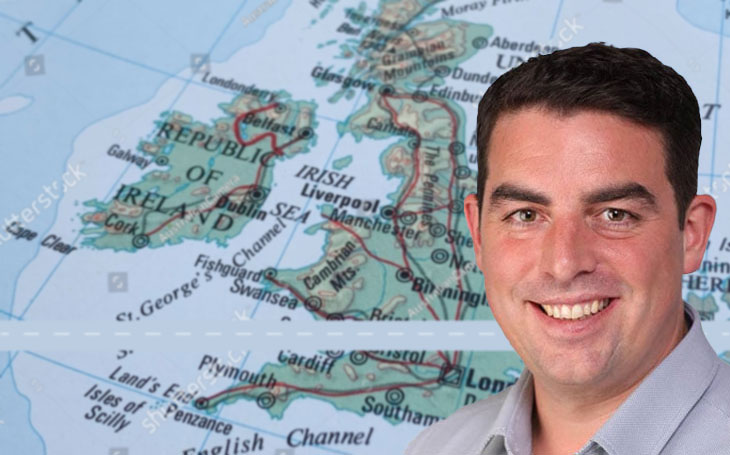
Head of EXP UK and Europe, Adam Day (pictured) says: “The latest figures highlight an increasingly clear regional divide across England’s housing market.
“While many southern counties are continuing to face subdued demand as a result of higher price bases, stretched affordability, and greater sensitivity to interest rate movements, markets in the Midlands and the North are proving notably more resilient.”
Buyers less exposed
Day adds: “In these regions, comparatively lower property values mean buyers are less exposed to borrowing cost pressures, helping to sustain transaction levels.”
He also highlights wider structural changes in demand: “There is also evidence that shifting working patterns and greater flexibility around location are continuing to redistribute housing demand away from traditionally dominant southern markets.
“Taken together, this suggests the current market is not experiencing a uniform slowdown, but rather a rebalancing.”