
Stamp Duty hope as Rishi and Liz tussle for top job
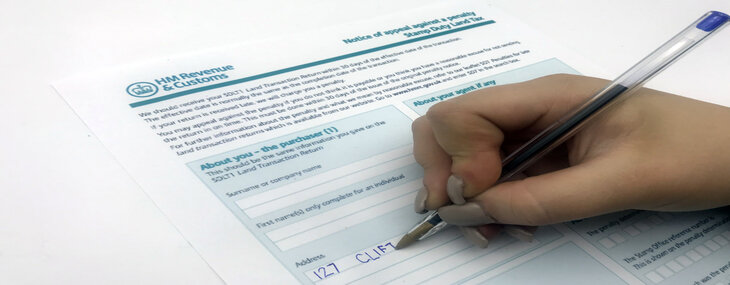
Hopes have been raised that changes could be made to Stamp Duty Land Tax (SDLT) once a new Prime Minister is appointed.
Rishi Sunak and Liz Truss are both in the runoff for the top job and vying for votes from 100,000 Conservative Party members to become the UK’s next Prime Minister with the result being announced on September 5.
Current chancellor Nadhim Zahawi had been in the running and as Mark Posniak, managing director of Octane Capital points out: “The current Chancellor has declared that if he were PM he would cut taxes including corporation tax, VAT and stamp duty – the latter being my pet hate.”
TAXING TIMES
So could changes to SDLT be on the cards? Other experts are sceptical.
John Ahmed, chief executive of conveyancing panel manager Movin Legal, is doubtful but says: “I think Liz would be better than Sunak as he’s simply a banker and a tax hiker.
As to property, I’d agree with letting inflation run a little and keeping interest rates down to keep stimulating the economy, I would also agree with a clean sweep of a new chancellor and not Sunak the tax hiker.”
Martin Stewart, founder of London Money, says that there is still housing demand despite the economic and political headwinds.
He adds: “The mistake Rishi Sunak made when we came out of the first lockdown was his failure to read the room. Had he done so he would have seen demand had not disappeared, just hibernated.
“As a result we saw petrol poured on to a raging fire which caused innumerable problems for estate agents, brokers, lenders and conveyancers. The impact is still being felt today.
“If I were a Minister I would be playing a waiting game and not offering a knee jerk reaction to a situation that could look completely different tomorrow.”










Both candidates believe they must either borrow or put up taxes to pay for increased benefits, etc. This is a misnomer. Encouraging the house building and rental sector at no cost to the exchequer will massively increase actual income from taxes. When investors put their money into rental properties or even into second homes for themselves they generate on going tax revenue for the treasury and through house price inflation create a future tax bonanza when properties are sold. While people purchasing their own homes is good for the economy it is the rental sector who are the tax producing benefit for HMRC.