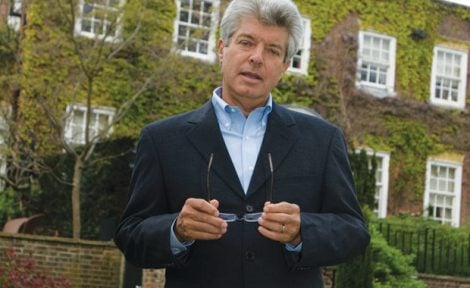
Estate agency backs plan to attract more foreign investors
Knight Frank says a revived investor visa could bring in £225bn over ten years and restore confidence in prime property markets.
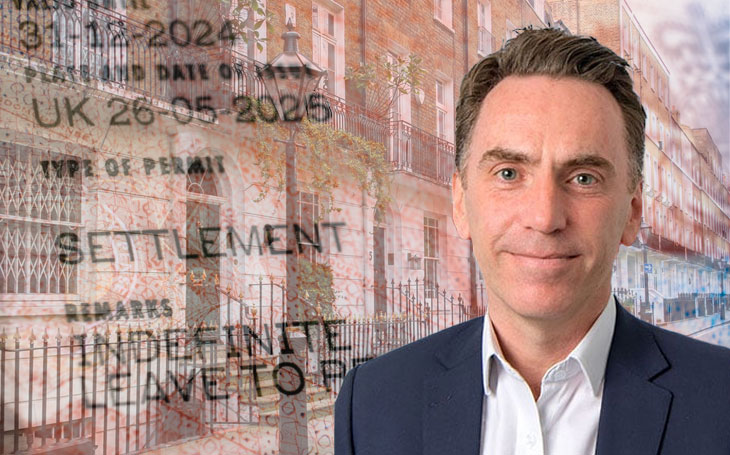
Knight Frank has backed a plan for the return of a UK Investor Visa as the Government weighs up a variety of property and income tax rises to plug its £30bn fiscal hole.
Tom Bill (pictured), it Head of UK Residential Research, says the measure would boost the Exchequer while keeping international wealth, and its Stamp Duty receipts, within the country.
The proposal, which has been put forward by Foreign Investors for Britain (FIFB), advocates a fixed annual charge of £200,000 and a minimum investment of £2.5m, which it claims would generate £225bn over a decade. FIFB argues this would provide a stable revenue stream while helping to counter the damage caused by the 2022 closure of the Tier 1 Investor Visa.
Non-dom rules have “tipped the balance against the UK”

FIFB Chief Executive Leslie MacLeod-Miller says the removal of the previous scheme “created a vacuum for productive foreign capital” and warned that current non-dom rules have “tipped the balance against the UK” in the global competition for investment.
He added that the new Global Investor Visa could “restore Britain’s reputation as a secure and attractive destination for high-net-worth investors” while also ensuring a clear fiscal return for the Government.
The proposed scheme would also help offset the impact of falling overseas demand for London property, which has been hit by higher Stamp Duty rates, tighter lending conditions and rumoured tax rises.
Stamp Duty
But Bill warns that Government policy risks further reducing revenue. He says: “Prime central London prices have fallen 4% in the past year, compared to 1.9% growth nationally. Uncertainty over tax has caused some high-value deals to collapse, and with them millions in lost Stamp Duty.”
And he cites the example of just one recent example where a withdrawn transaction cost the Treasury £2.5 million in Stamp Duty.