DIGITAL MARKETING: Four types of Google Ads that work best for estate agents
Google Ads is the biggest player in the pay per click market, but there are different types available. Marketing expert, Nelly Berova, looks at the 4 ad types that work best for agents.
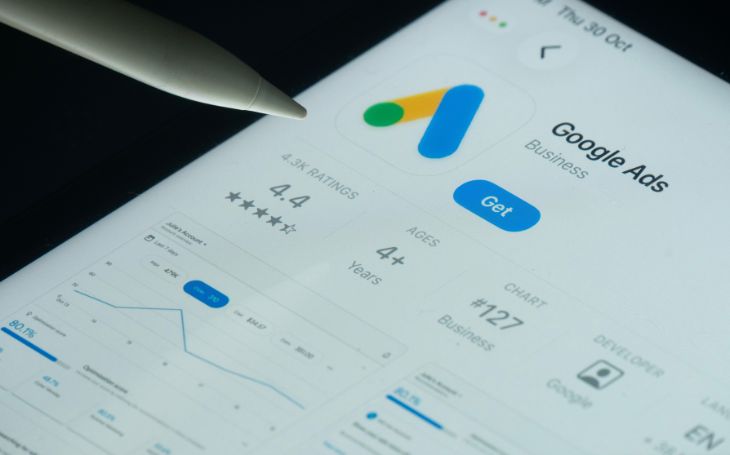 If you’re planning a paid advertising campaign for your estate agency business, you’re probably considering Google Ads. With an almost 30% share, Google Ads are the biggest player in the pay per click advertising market.
It’s important to note, however, that there are many different ways to advertise via Google. Which one you choose will depend on your advertising goals – whether you’re looking to raise awareness of your brand, showcase your property portfolio, recruit more vendors or landlords or something else.
The options you have as an estate agent marketer range from standard search and display ads to shopping functions and so-called performance max campaigns, which offer automated optimisation across channels.
If you’re not sure what all of this means, it’s worth getting to grips with the different ad types before you start planning your campaign.
Where the property sector is concerned, we recommend focusing on four main Google Ads types – Search Ads, Display Ads, Video Ads and Local Ads. We look at each of these big four in detail with ideas for how and why you might decide to use them in your campaigns.
1. Search Ads
Google is a search engine – and by far the most successful in the business – so it stands to reason that Google Search Ads are a key tool for anyone running a paid marketing campaign. These text-based ads mean your content will appear near the top of the search engine results page (SERP) branded as advertising or sponsored content.
Google Search Ads rely on keywords selected by the advertiser. It’s an auction-based system so you are bidding against other advertisers for the same keywords. This takes place in seconds with the winning bidder’s entry appearing higher up the SERP page.
The key to success is choosing the right keywords that meet the intent of your ideal customers.”
The key to success is choosing the right keywords that meet the intent of your ideal customers. Google Search Ads come with many advantages – campaigns are quick and easy to set up and are flexible so you can change things round if they aren’t working. They are also very effective as they directly respond to the things people are searching on Google.
2. Display Ads
Unlike the text-only Search Ads, Google Display Ads are visual and may be images, photos, videos, animations or logos. They are shown across the Google Display Network. This is the largest such system in the world reaching around 90% of global internet users via some of the world’s top performing websites and platforms including YouTube and Gmail.
Your Google Display Ads may appear as banners at the top or side of the screen or throughout the page content. While search ads are about specific keywords, Google Display Ads focus on the ‘where’ rather than ‘what’. In other words, you’re targeting specific audiences via the websites or topics they are looking at not the words they are searching for.
This type of campaign is great for boosting brand awareness, as well as customer conversion. To get the most from your ads, you’ll need spot-on visuals coupled with appealing calls to action and well-thought-out targeting.
3. Video Ads
Video has become increasing dominant across content marketing with films used to engage audiences and humanise brands in paid and organic campaigns alike.
Google Video Ads are hosted on YouTube and other channels in the Google Display Network. Video ads can appear in different forms – the skippable (or non-skippable) ones you see at the start of a YouTube film or those which play in the banner of other sites.
Video ads are particularly good for campaigns which require you to show not tell.”
Done well, video content draws viewers in, telling your story in an immersive way that is difficult to achieve with text and images alone. Video ads are particularly good for campaigns which require you to show not tell – a showreel for the launch of a new development for example. They are also great for brand awareness.
4. Local Ads
We’ve talked a lot about the importance of Google Business, maps and local search results to high street agents. Local Ads are another useful part of that package. By boosting your chance of appearing in hyperlocal searches and offering your contact details they are vital if you want to encourage people through the doors of your bricks and mortar premises.
In summary, there is no right or wrong solution when it comes to which Google Ads to use. It’s worth considering a combination of ad options – for example, using Google Display Ads to raise awareness of your brand’s existence while targeting customers with specific intent via Google Search Ads.
And remember – the great thing about digital advertising is that it’s highly responsive, allowing you to scale up or down different messaging or visuals depending on audience reaction, with Google doing the work for you in some cases.
Got a question? Need help with the management of your Google Ads? Visit: www.artdivision.co.uk