
BLOG: Why every estate agency needs ‘first-party’ data
The estate agencies who do well in the next 10 years will be ones who harness first-party data, explains Nelly Berova.
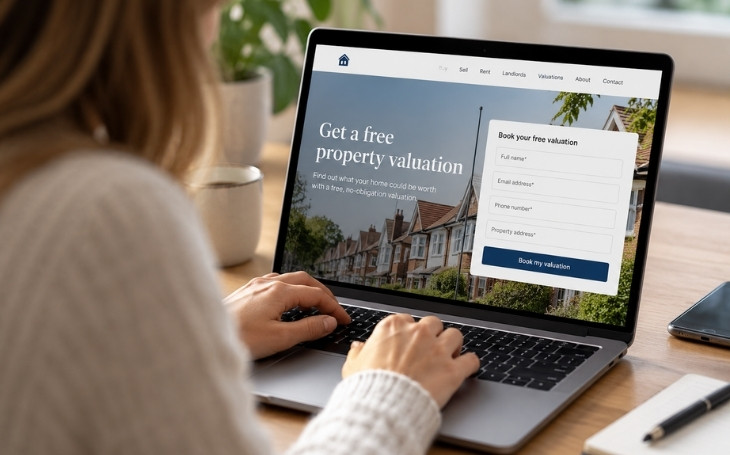 There has been a lot of talk about first-party data in 2026 – but this is way more than the latest estate agency industry buzzword. First-party data is fundamental to the survival of your estate agency business and acquiring it should be your priority.
First-party data
Put simply, first-party data is any information customers have shared with you – when they fill in a form to request a valuation or a call back or if they choose to download an asset such as a seller’s guide. It’s distinct from data collected by external companies such as Google, Meta or Rightmove, that you pay for but will never own or control.
First-party data comes from actual customers who have bought and sold with you.”
First-party data comes from customers who have bought and sold with you, your newsletter subscribers, the landlords on your books or people receiving your regular market reports. These people have already shown an interest in your business so are more valuable than those whose data you’ve purchased from a third party.
Think of it like your own industry. If your leads are coming from a third party, it’s a bit like renting a property. You pay each month for access to data, but you never own the asset. Building your own first-party data is similar to creating an investment portfolio. Every new contact increases the long-term value of your business.
The problem
Although estate agents have plenty of access to first-party data, they have increasingly relied on other companies to deliver customers – through display or pay-per-click advertising on Google or Facebook or the property portals such as Rightmove and Zoopla.
But there have been many changes to the digital landscape in recent years. Some of this has come as a result of legislation and privacy regulations. The use of cookies is changing, and AI is transforming the way in which people discover businesses.
As options shrink, the companies that deal in third-party data are pricing their offerings ever more highly, meaning relying on them is both harder and more expensive.
For example, if you rely too heavily on the property portals to supply your leads, your business will take a hit if they put up their prices. And if you’re too dependent on Google search, you’ll be affected by any changes to the algorithm unless you boost your advertising spend.
Depending on third-party data makes you vulnerable because your access to every lead needs to be bought over and over again.
Why it matters
First-party data matters because it is valuable, unique and addresses the needs, wants and preferences of your customers. It is vital insight that you own.
With good first-party data you can nurture your prospects, improving your relationship with them, earning referrals and generating repeat business. By attending to those people who’ve shown an interest in your business you can win instructions more easily than by pursuing weaker leads generated by third parties.
If your strategy is built around first-party data, your website can become a lead-generation engine.
Many estate agent websites are little more than a brochure of available properties. If your strategy is built around first-party data, your website can become a lead-generation engine – a source of valuable and credible information that your target customers will love.
Practical actions
If you’re convinced that first-party data is the way forward, there are practical things you can do to accumulate it.
Add useful downloadable resources to your website – go further than online valuation tools and offer really practical guides for sellers and landlords in exchange for email sign-up.
Offer monthly market updates – use your knowledge to create these valuable insights into the housing market locally, giving customers something useful in exchange for their data and placing you as an authority on your patch.
Improve your valuation forms – analyse and test these to make sure they are bringing in customers who are ready to do business with you. These are the gateways to conversion for many prospective sellers and landlords.
Segment your contacts – don’t treat all customers the same. Segment them into different types of seller and landlord so you can use bespoke messaging and content relevant to their interests.
Communicate regularly with useful content – not just sales messages.
The agencies who do well in the next decade won’t necessarily be the ones with the biggest advertising spend – they’ll be the ones building relationships with potential customers long before they are ready to move. So to be able to do that, you will need access to quality first-party data – one of the most valuable business assets your estate agency can own.

