
New barn conversions stall as funding is hard to find
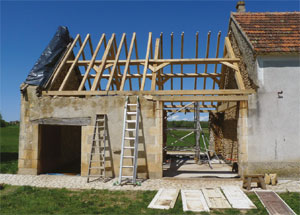 The number of agricultural to residential conversions in the UK has dropped 34 per cent in six months, from 574 in Q3 2016 to just 377 in Q1 2017, says Lendy, a peer-to-peer secured lending platform.
Lendy says that housing developers are suffering from a lack of funding, cutting off the supply of new housing in the countryside.
Conversion of agricultural buildings into residential buildings has been seen as an important way of closing the housing gap – a problem which is just as critical in the countryside as it is in the cities.
Converting outbuildings such as barns and stables into housing can be a very low impact way of combatting the UK’s chronic rural housing shortage. Developers are keen to convert these buildings, help meet demand, and close the housing gap. However, access to funding remains an obstacle.
Farmers could also find that their finances are challenged when subsidies are reviewed following Brexit. If subsidies are withdrawn from farmers, converting unused agricultural buildings could be an effective way to supplement their income.
Liam Brooke, director and co-founder of Lendy, says, “Farmers have a chance to really make the most of their surplus buildings. And conversions are a good way for farmers to diversify their income.
“However, the drop in the number of barn conversions indicates that developers are lacking access to funds to commence with these kinds of projects. The housing shortage is just as critical in both rural and urban areas, and developers are keen to ramp up activity in these areas. However, a lack of funding means they are finding it difficult to get projects to get off the ground.
“More must be done to help developers start these projects. Alternative finance providers, such as peer to peer lending, are increasingly stepping in to fund these activities and help meet demand.”