BLOG: Labour’s leasehold reforms betray Britain’s ‘accidental freeholders’
CEO of Freehold Collective says leasehold reforms are 'nothing short of daylight robbery' for those who worked hard to take over their own freeholds.
The UK’s 750,000 accidental freeholders – ordinary homeowners who followed the law to buy out their freeholds – have been betrayed by the Government’s leasehold reforms, which strip away their hard-earned investments and pile on crushing new risks.
Far from delivering fairness, the reforms hand unearned windfalls to non-participating neighbours, destabilise freehold values, and saddle volunteer freeholders with overwhelming legal and financial liabilities.
Many now face the devastating prospect of insolvency, unmanaged buildings, and collapsing property values.
This is nothing short of daylight robbery. People did exactly what the law told them to do, paid every penny required, and took responsibility for their communities. Now they are being punished—while others get a free ride.
The ‘hidden casualties’
- Leaseholders paid marriage value (the increase in value of property with longer lease) and full market prices to enfranchise.
Many have had to bear the costs for neighbours who don’t participate in the purchase. Under new rules which will see the abolition of marriage value, those neighbours can extend leases without paying back their share, wiping out investments and gifting unearned windfalls to those who contributed nothing.
- Government powers to reset the deferment rate every ten years mean unpredictable, politically driven cuts to freehold values.
The deferment rate is the percentage used to calculate compensation paid to freeholder when extending a lease.
This is the single most important factor in calculating the cost of lease extensions and freehold purchases. Government modelling indicates that lowering the deferment rate from its long-standing 5% could increase premiums for most leaseholders, wiping out savings from other reforms. If the deferment rate fell from 5% to 3-4%, the cost of extending a lease could double or triple for some leases with over 80 years remaining, adding tens of thousands of pounds per flat.
- The Building Safety Act and new regulations have turned voluntary resident directors into unpaid, overexposed scapegoats with impossible compliance burdens.
They are now responsible for complex building safety reporting, fire risk assessments, and cladding remediation oversight – tasks normally handled by paid managing agents
- Volunteer burnout, legal confusion, and financial strain are driving resident-led freehold companies to the brink of failure, threatening entire buildings and communities.
- Mortgage lenders are already raising red flags about properties under resident control, trapping families who may be unable to remortgage or sell.
Prolonged uncertainty over leasehold reform, combined with pending court cases, unclear timelines, and shifting government proposals, has stalled decision-making for millions of leaseholders.
Many blocks are postponing enfranchisement or lease extensions in the hope of more favourable future legislation, creating a slowdown in sales and investment. Many people are putting their life plans on hold. This “wait and see” approach is freezing parts of the housing market.
On the brink
If resident-run companies collapse, many buildings could fall into Crown ownership—an outcome nobody envisaged when they enfranchised in good faith.
With commonhold proposals still vague and unworkable, accidental freeholders are left in limbo, unable to plan or protect their homes.
This is a slow-motion disaster,” Mike Somekh added. “Without urgent intervention, thousands of families will lose control of their homes, see their investments destroyed, and be left to live in unmanaged, deteriorating buildings. Government must act now—before it’s too late.”
Urgent action
Accidental freeholders are calling for:
– Immediate transitional protections to safeguard those who enfranchised under previous rules.
– Fair compensation mechanisms to prevent wealth transfers at their expense.
– Practical support and training for resident-run freehold companies struggling under new regulatory burdens.
– Clear guidance on commonhold and future tenure rules, to end uncertainty.
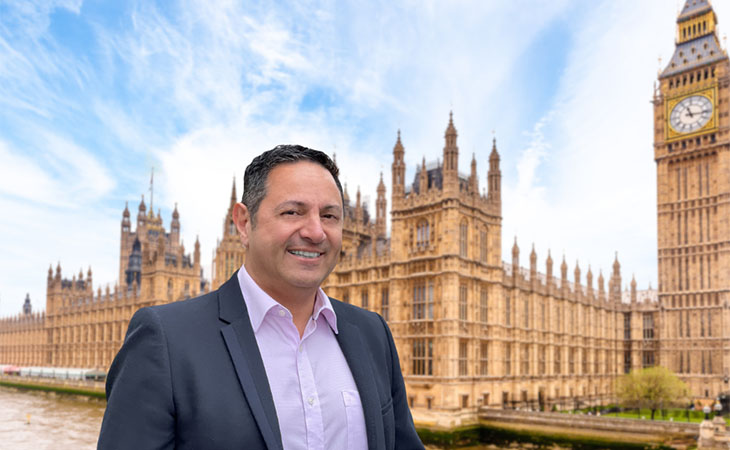
Mike Somekh (main image) is CEO of the Freehold Collective.
Read more about leasehold reform.