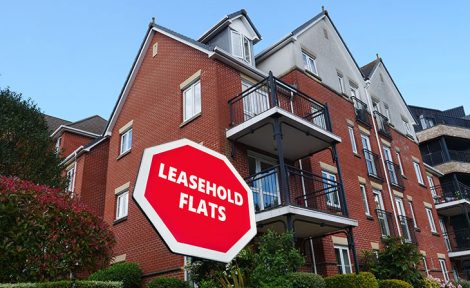
Leasehold homes will be “harder to sell’, warns lawyer
Existing leaseholders could be left trapped and worse off, says Caroline Wild of law firm Forsters.

Leasehold properties will become “harder to sell”, a leading property lawyer has claimed.
Caroline Wild, Counsel in Forsters’ Real Estate Disputes team, made the comments following the Government’s consultation into leasehold, and stated intention to move towards commonhold.
Wild said: “While most stakeholders generally welcome the concept of leasehold reform, the submissions highlight some legitimate concerns about a hasty move to commonhold.
“As they currently stand, the proposals risk creating a two-tier market in which commonhold is seen as superior and leasehold properties become harder to sell or mortgage.
As they currently stand, the proposals risk creating a two-tier market in which commonhold is seen as superior.”
“The draft bill prioritises future commonhold developments while offering no practical, affordable or time‑bound route for existing leaseholders who could be left trapped, worse off than before.”
Banning leasehold
The Government launched the consultation called “Moving to commonhold: banning leasehold for new flats” in January of this year.
The Government is introducing a ban on new leasehold flats in England and Wales. The consultation ended on Friday, last week.
Wild added: “Ironically also, those who have already collectively purchased their freehold interests could be worse off under the new system.
“For those who have paid to acquire the ground rents of non‑participating flats on the basis of long‑term recovery, the ground rent cap could have significant unintended consequences – drastically reducing the value of these investments, and thereby unfairly penalising affected leaseholders for their proactivity.
Policy changes
“To prevent this divide, stakeholders argue, policy changes need to benefit both new commonhold and current leasehold homes.
“The bill must be significantly strengthened with clear pathways to remove existing practical barriers.
“And the property industry must be given time to adapt to these significant changes, with some respondents recommending a phased approach, over the next seven to ten years, in order to create permanent cultural and educational change that best serves those intended to benefit from the new system.”