Leasehold shake-up enters Parliament with £250 ground rent cap
The Commonhold and Leasehold Reform Bill caps ground rents at £250, curbs admin fees and makes commonhold the default for new flats.
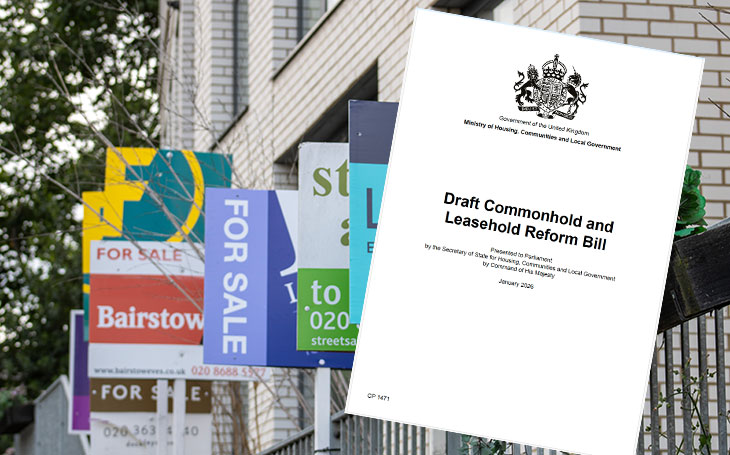
Ground rents will be capped at £250 a year under a bill entering Parliament, with commonhold becoming the standard for most new flats.
The Commonhold and Leasehold Reform Bill covers an estimated five million leasehold homes across England and Wales.
The Government describes it as the biggest shake-up to homeownership in a century.
The cap takes effect in 2028, cutting bills for up to one million leaseholders, with ground rents reduced to zero after 40 years.
The leasehold system denies individuals control over the homes they live in, and have paid for, and routinely subjects them to excessive extraction.”
The bill removes powers that can put a leaseholder’s home at risk due to relatively small unpaid bills, such as a disputed service charge. They are being replaced with a court-led system.
Ministers will get powers to cap excessive permission and administration fees, such as asking permission to keep a pet or replace a front door.
The threshold for existing blocks to convert to commonhold drops from 100% neighbour agreement to 50% support.
Non-consenting neighbours remain on modified leases until they sell, so holdouts cannot block conversion for the rest of the building.
Leasehold is banned for new flats and homes, with narrow exceptions such as shared ownership. Buyers will own their home outright and run their building jointly from day one.
Freecehold estates
Up to 1.75 million freehold homes on so-called ‘fleecehold’ estates are protected from threats to take over a home due to unpaid maintenance charges.
The bill fixes parts of the Leasehold and Freehold Reform Act 2024, helping homeowners buy 990-year lease extensions.
It stops them paying their landlord’s costs in most cases and scraps marriage value, an additional cost faced by leaseholders with 80 years or less remaining on their leases.
Leaseholders will also get an easier and cheaper way to take control of their building with their neighbours, removing third-party landlords.
Landlords will have to respond within set timeframes to requests for a reliable broadband connection, which they can currently ignore.
Commonhold future
Matthew Pennycook, housing minister, says: “The leasehold system denies individuals control over the homes they live in, and have paid for, and routinely subjects them to excessive extraction. It is blighting lives, and it is an anachronism in the twenty-first century.
“The publication of our historic Commonhold and Leasehold Reform Bill marks the beginning of the end for the feudal leasehold system. We’re laying the foundations for a commonhold future and transforming the experience of homeownership for existing leaseholders by giving them greater rights and protections and providing them with easy and effective escape routes.”
Nick Hopkins, chair of the Leasehold Advisory Service, says: “The introduction of this Bill is a significant step towards giving homeowners stronger protections against some of the most damaging features of leasehold.
“Moving towards commonhold, with an easier route for existing leaseholders to convert, is the most significant change to home ownership for a generation. It will give owners of flats ownership and control of the building their flat is in, with a legal framework that is fit for purpose for flat ownership.
“We are developing clear, practical guidance on the new commonhold model, helping people understand how it will work and make informed choices.”