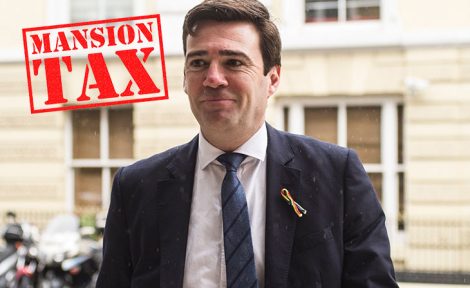
Scrap Mansion Tax before it starts, says wealth boss
Calls are being made for the Government's new Mansion Tax to be scrapped before it even starts.
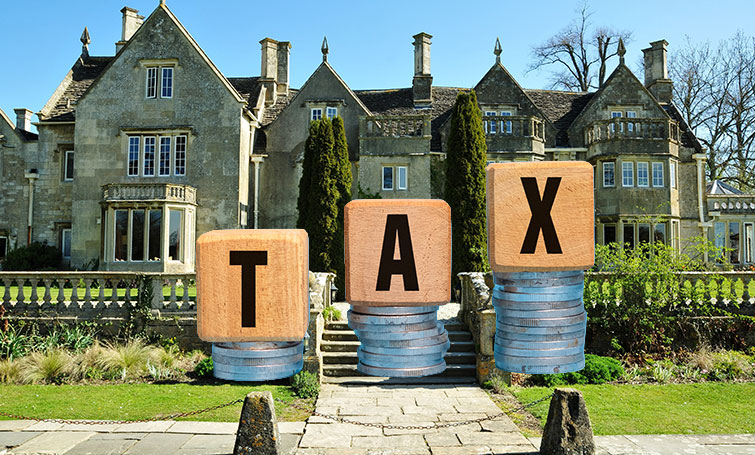
The Mansion Tax needs to be scrapped before it even starts, a wealth management boss says.
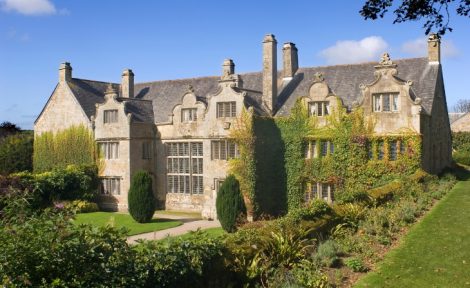
Nigel Green, chief executive of deVere Group, claims the unofficial name of the new tax conjures images of country estates and Mayfair penthouses, when many liable homes are ordinary family houses.
“Many of these homes were bought decades ago by people on everyday salaries. They’ve simply watched prices rise around them,” he says.
It’s a tax on paper wealth, and it takes no account of whether people can actually afford it.”
The deVere boss is particularly concerned about older homeowners. He explains: “Picture a widow living on her pension in the house she bought in the 1980s. She could soon be handed a bill of up to £7,500 every single year, on gains she can only reach by selling her home. It’s a tax on paper wealth, and it takes no account of whether people can actually afford it.”
He also warns the net is likely to widen as time passes. “The charges rise with inflation. Unless the threshold keeps up with house prices too, more families will be dragged in with every revaluation. We’ve seen exactly this happen with income tax thresholds and we believe the same pattern is likely here.”
High Value Council Tax Surcharge
The tax, officially known as the High Value Council Tax Surcharge, will apply to homes in England valued above £2million from April 2028. It starts at £2,500 a year for homes worth between £2million and £2.5million. It then rises in steps to £7,500 a year for homes valued above £5million.
Fewer than 1% of English homes are expected to cross the threshold, with revaluations every five years, according to the Treasury. Charges will rise with inflation from 2029/30. Draft bands will be published in autumn 2027, with the first bills from March 2028.
Green adds: “People are entitled to expect their homes to be treated as private, and their taxes to be clear, fair and honestly named. This levy falls short on all three. “Scrapping it would cost the Government relatively little in revenue and win back a great deal of trust.”
Valuations
Green’s comments follow the release of a document setting out how inspectors will decide which homes are liable. The Times reports that it obtained the document under Freedom of Information laws. It shows how inspectors will be able to photograph properties from public highways, even where owners object.
It describes internal and external photographs as “essential”, providing a record where alterations, extensions or ongoing works are in question. Inspectors must get permission before entering a home. Where an owner refuses, the refusal and the owner’s name must be recorded.
HM Treasury says most properties can be banded using information the Valuation Office already holds, with visits needed only “in some limited circumstances”.
Government response
The Neg approached HMRC for comment. It explained there are strict guidelines on the taking of photos and ensuring it respect the individuals whose homes are being valuing. It said it is about making sure homes are valued correctly to ensure the right tax is “collected, no more, no less”.
A Government spokesman told The Neg: “HMRC’s approach is well-established and already used to ensure fair and accurate banding for millions of homes for council tax. In most cases, properties are valued without the need for a visit.
“The surcharge addresses a longstanding unfairness where a Band D home in Darlington pays more in council tax than a £10million mansion in Mayfair and will apply to less than 1% of properties in England.”