
Letting agents call for Labour to reduce landlord taxes as rents soar
Official figures reveal the UK’s private rents have risen by 7.7% on an annual basis and by as much as 9.1% in London – and Propertymark points finger to rising landlord costs.

Rents are rising at record levels up by 7.7% (£1,332) iduring the 12 months to March 2025, according to new ONS data, amidst rising concerns over supply levels and the looming Renters’ Rights Bill and landlord costs including tax.
The latest figures are part of a surge in rents that began in late 2021, with rental inflation more than doubling from the sub-4% rates more typically seen beforehand following Covid.
In London, the rises are even more dramatic at 9.1%, with average monthly rents reaching £2,243. The news comes just as RRB legislation completes its committee stage in the House of Lords and moves towards gaining Royal Assent, possibly in the autumn.
Angharad Trueman (main image), ARLA Propertymark President, however, points the finger of blame more specifically at taxes: “With private rents seeing their highest annual inflation rate in March 2025, it remains more vital than ever the UK Government and the devolved administrations take a wide angle view regarding taxes impacting the private rental sector and look at ways to encourage and support new investment for the long term.
Such factors are sadly contributing towards driving up costs and reducing the supply in some areas for rental properties.”
“Currently, such factors are sadly contributing towards driving up costs and reducing the supply in some areas for rental properties.”
More official data, this time from HMRC, confirms nearly a quarter of landlords are planning to reduce their property holdings within the next 12 months, rising to a third over five years, with 56% citing changing regulations as their key motivation.
No backtracking
Despite repeated warnings from the property industry, the Government appears unlikely to backtrack on its legislation at this late stage. Should rental inflation and supply shortages accelerate further once the RRB becomes law, the consequences for tenants could far outweigh any perceived benefits.




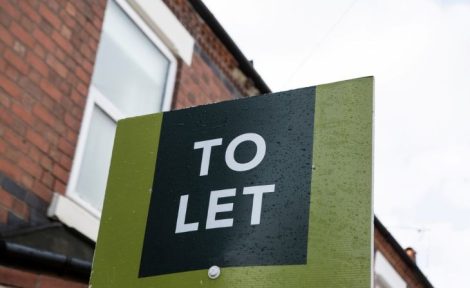

Rents have increased primarily because high interest rates are killing most landlords who have a mortgage. It is easy to making an actual loss on renting now, and if you are a higher rate taxpayer, you will be paying income tax on that loss as well, because interest can only be deducted at 20% you are effectively being taxed on your turnover, not profits.
Once you add in much higher insurance and builder costs for even the simplest of maintenance work, and there’s simply no money in being a landlord. Rents have had to go up, encouraged by the imbalance of rental supply and demand as landlords sell up.
The surge in rents may well be because of threats to control rent increases have ensured landlords have moved up to market rents so that any restriction on future rises start from the right base. Certainly that is what has happened with my rentals.