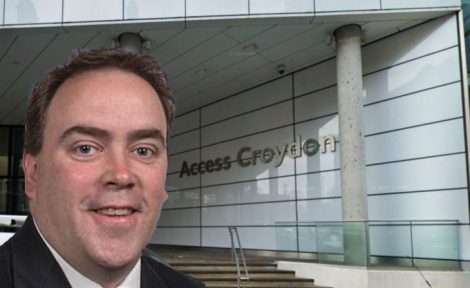
Exclusive: what to expect when RoPA becomes law, from its chief architect
Lord Best talks about RoPA and the significant changes it will soon bring about for estate agents and later house builders, landlords and freeholders.

Lord Best is the architect of what will soon become the greatest change for the property industry since the Estate Agency Act was passed into law in 1979.
Talking from his parliamentary office, although he’s keen to get the key points of his Regulation of Property Agents (RoPA) proposals over, he cuts through it all with one comment.
“I think it should be dawning on agents that after RoPA they will become part of a profession,” he says. “Gone will be days when anyone including rogue operators can set up and become an estate agent overnight. It’s a huge change for the industry.
“The new regulator will have the full armoury of powers ranging from a rap on the knuckles to being able to suspend or close a business and also prosecute a company if it’s a criminal matter.”
Political will
Best says the political will within government to bring licensing, qualifications and a regulator to bear on the property industry has been a long time in the making.
But he says the time is right because the government has realised that consumers are at a disadvantage when dealing with the property industry and particularly so within lettings where agents and landlords have been able to operate untroubled by close regulation for decades.
“Because the private rented sector has grown so fast, there is a recognition that we have a huge new element within the housing market which until recently was a bit of a Cinderella sector,” he says.
Best says he believes the first phase of his RoPA proposals (which are now being examined and put out to informal consultation by the government) will take two years to become law.
Agents first
“Initially, it will be only agents operating in the sales, lettings and leasehold property management sectors who will come under the remit of the regulator, along with a few more obscure areas such as property guardians,” he says.
“After that, I expect the Secretary of State to then widen the regulator’s powers to include private landlords, freeholders, house builders and, I hope, Airbnb too. But I think it will take five years for the whole industry from A to Z to be covered by a single regulator.”
Public register
Lord Best also confirms that once all agents are licenced, their names will be available on a public online register where potential customers will be able to check if a company is trading legally or not.
“Agents should remember that once licencing starts, it will a criminal offence to trade as an estate agent without a licence, he says.
But regulation will come at a price; Lord Best expects some agents to be put out of business by RoPA, which some people have suggested will reduce competition.
“Well you don’t want competition with rogue agents,” he says.
“There are 20,000 property companies in the UK so even if a few are removed from the market by regulation, there will still be plenty left to compete for business. It’s not a monopolistic situation.
“But yes, I believe there will be fewer agents in all three fields including sales, letting and management of leasehold properties. Some people will simply fail the regulation test – not at least the ‘fit and proper’ assessment for individuals.”
This will make the industry almost overnight a more professional one and, his comments suggest…he thinks it’s about time.