
residential property prices
-
Housing Market
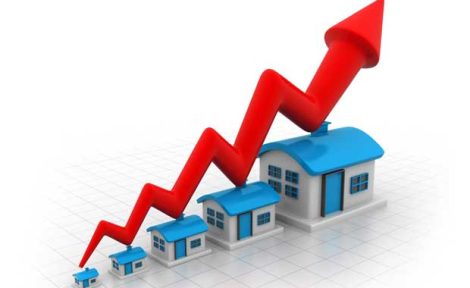
Static lending rates may fuel house prices
Residential property prices in the UK will almost certainly continue to rise next year after the Bank of England implied the first interest rate rise may not happen before 2017, according to Savills. With borrowing costs set to remain low, the company forecasts that UK home prices will rise by an average of 17 per cent over the next five years, led by gains in the South East of the country, with an increase of 21.6 per cent, while properties in the North East will appreciate by only 12 per cent over the period, Savills said. The forecasts are based on interest rates staying below 4.5 per cent, but it is now expected that the base rate may only increase to 0.75 per cent in around 2017. “If interest rates rise too quickly, mainstream house price growth will be quickly be curtailed,” said Lucian Cook (left), Head of UK Residential Research for Savills. “On the flip side, if rates remain low for too long, there is a risk that prices will rise too far, creating affordability issues further down the line.” Property prices in London, which have increased more than other parts of the UK in recent years, are expected…
Read More » -
Housing Market

House prices set to rise
Residential property prices look set to increase by an average of £60,000 over the next five years, hitting more than £320,000 in 2020, according to Cebr, the Centre for Economics and Business Research. The economic forecaster expects the average price of a home in the UK to reach £263,000 this year, up 5.6 per cent on last year, but believes that the market offers further room for growth of 3.5 per cent in 2016, with further annual price rises of in the region of 4 per cent in the four years that follow. If accurate, these price hikes will take the average price of a UK home to £321,600 during 2020 – £58,600 more than the average residential property price in 2015, according to Cebr. Nina Skero, CebrEconomist and main author of the report, believes that capital growth will be primarily fuelled by a growing “reduction in the number of properties being put on the market” as a result of low levels of housebuilding, as well as other factors such as an ageing population and the rising cost of moving up the property ladder. He commented, “The price gap between a first-time home and a larger family home has skyrocketed…
Read More » -
Housing Market
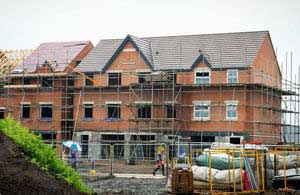
Government aims to deliver 1m new homes
The Government announced this week that it wants to deliver 1 million new build homes in England by 2020, in an effort to tackle the growing housing crisis. The mounting supply-demand imbalance in the market is driving up both property prices and rents across many parts of the country, with new research suggesting that the average price of a residential property Britain could reach a whopping £300,000 by the end of the year, if price growth in the property market continues at its existing pace. Rightmove’s latest House Price Index revealed that the average price of a home hit a new national high of £294,834 in September, owed mainly to a lack of housing stock coming on to the market. Miles Shipside (left), of Rightmove, commented, “High demand, lack of suitable supply, and increasingly stretched affordability are leading to some extremes in market forces in different sectors and parts of the country.” The National Housing Federation estimated that 974,000 new homes were needed between 2011 and 2014 to meet demand, and in reality that figures looks likely to rise. Housing Minister Brandon Lewis said this week that the Government is determined to deliver 1 million new homes during the course…
Read More » -
Housing Market

The growing supply-demand imbalance is pushing up residential property prices
Residential property prices look set to increase further this year, as demand from buyers continues to heavily outstrip the supply of homes coming on to the market, the latest residential market survey from the Royal Institution of Chartered Surveyors (RICS) has revealed. The report shows that while 44 per cent more chartered surveyors saw prices rise in July, the supply of homes coming onto the market continued the drop with 22 per cent more surveyors reporting a decline in fresh instructions. Furthermore, the shortage of housing inventory worsened further during July, with the average volume of homes for sale per surveyor falling to an all-time low. As a result, all areas of the UK are now expected to witness property price growth over the next 12 months, with the greatest level of confidence currently being seen in East Anglia and Northern Ireland. RICS expect home prices to be pushed higher on the back of the growing supply-demand imbalance, with 41 per cent of members expecting prices to continue to appreciate over the next three months. Increasing prices does not appear to have deterred buyer interest, with new purchaser enquiries growing for the fourth consecutive month, with 25 per cent of…
Read More » -
Housing Market

Property prices set to soar
Residential property prices are set to rise sharply over the next few years, as the supply of housing coming onto the market continues to fall, according to the RICS UK Residential Market Survey for May. The report shows that despite growing demand from buyers, the stock of homes per surveyor in May dropped to the lowest level since the data series started in January 1978, pushing home prices higher in the process, and at a quicker pace than in April. 34 per cent more surveyors saw prices increase in May as the supply of homes coming on to the market fell for the fourth month in succession with 19 per cent more surveyors reporting a decline in new instructions. According to RICS, the average stock of residential property per surveyor has fallen by around 12 per cent since the start of 2015. Consequently, 38 per cent more surveyors expect to see property prices increase over the next three months, supported in part by the fact that new buyer enquiries rose at the fastest rate in over a year. RICS Chief Economist Simon Rubinsohn (left) said, “There had been some hope that the removal of political uncertainty would encourage more properties…
Read More » -
Housing Market

Annual home price growth falls – ONS
The latest figures from the Office for National Statistics (ONS) reveal that residential property prices rose by 10.4 per cent to an average of £271,000 in the year to the end of October 2014, down from an annual price increase of 12.1 per cent the previous month, suggesting that house price growth in the UK is continuing to tail off, especially in the capital. London yet again showed the strongest growth in prices, although the market in the capital is cooling, with annual growth falling in October to 17.2 per cent from 18.8 per cent in September. But with all the focus on the downward trend in property price growth in recent months, we are in danger of forgetting that a double-digit rise in home values over the past twelve months is “an impressive leap”, according to Peter Rollings (right), CEO of Marsh & Parsons. He commented: “After the exertions of the summer months, this is simply a period of natural re-calibration, restoring a more sustainable pace of price inflation. Growth is still ticking along in the right direction.” House price annual inflation in October reached 10.8 per cent in England, 5.7 per cent in Wales, 4.9 per cent in…
Read More »