Major city extends reach of property licensing scheme
Manchester has added nearly 1,900 flats and houses to its list of homes requiring a licence, after Mayor Andy Burham launched a voluntary charter for landlords.
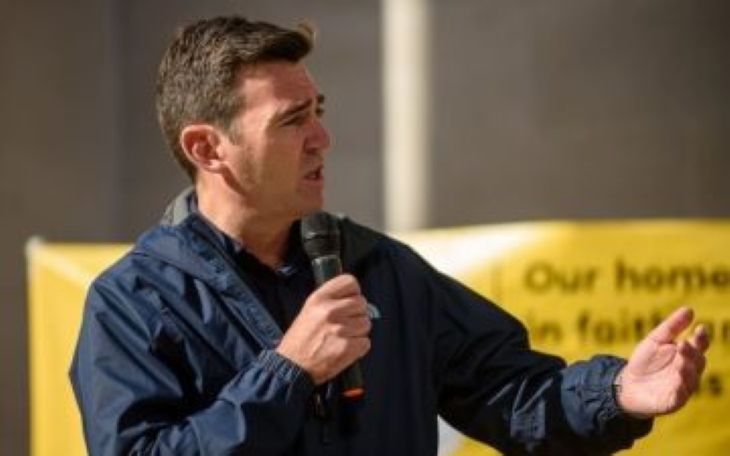
Manchester has announced a major expansion of its selective licensing property scheme.
Nearly 1,900 more houses and flats have been added to the list of properties now requiring a licence from the city’s council. Since 2017 more than 3,500 homes across the city have been fully licensed, a figure that now rises to some 6,400.
Targeted
For the latest designated licensing areas, the council has targeted homes in six wards on the basis of property condition and antisocial behaviour linked to waste management problems.

Gavin White, Executive Member for Housing at Manchester City Council, says: “We know that there are currently fewer regulations and therefore less protection against poor housing in the private sector than other forms of rental homes – such as social rent properties.
There a minority of landlords who we have found do not take the responsibility for their property.”
“This means that there a minority of landlords who we have found do not take the responsibility for their property, the safety of their tenants, nor the impact of their property on the wider community seriously enough.
“This is by no means every landlord and most work hard to make sure the properties they let are safe and of a good standard.”
The impact of the previous licensing schemes is that 117 properties were identified as non-compliant, owners received legal notices or were fined. Also, 22 civil penalty notices totalling more than £107,500 have been handed out to landlords and property owners.
Charter
Last year, Manchester also launched a voluntary charter for landlords, with the city’s Mayor Andy Burnham (main picture) saying it would target “untouchable” operators who refuse to maintain their properties properly.
Propertymark gave its support, but warned that letting agents must be more involved for it to be effective.
And the NRLA (National Residential Landlords Association) said that it must be backed up with support for struggling rental operators.