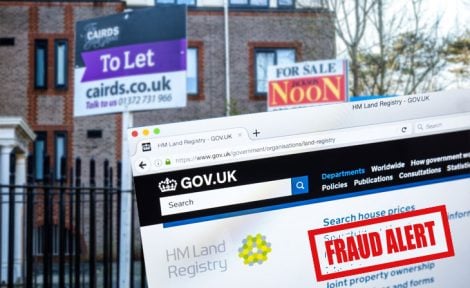
Fraudsters target property sales
Pete Gatenby, of Novus Strategy, says there were 55 cases of fraud by criminals impersonating homeowners in a year.

Fraudsters who secure funds by selling properties they don’t own or through fake mortgage applications, are active in the British property market.
Figures obtained under the Freedom of Information Act reveal there were 55 cases of criminals impersonating homeowners in a 12-month period.
Owner impersonation fraud may be rare but it’s a high-impact crime.”
Pete Gatenby, AI Practice Partner at consultancy Novus Strategy (pictured), says: “Owner impersonation fraud may be rare but it’s a high-impact crime.
“The concern is that AI can generate increasingly convincing fake documents, meaning they are less likely to be detected by verification processes designed for an earlier generation of fraud.”
No single organisation
He went on to say: “A key challenge is that no single organisation has visibility of the entire property transaction journey or a complete view of owner impersonation risk.
“HM Land Registry sees suspected fraudulent registration applications, Action Fraud records payment diversion cases, and incidents involving forged identity documents or fraudulent conveyancer certification are not separately tracked, creating a fragmented landscape.”
Ongoing threat
Land Registry recorded the incidents between April 2025 and March this year, highlighting the ongoing threat, according to data obtained by Novus Strategy.
In such cases, the fraudster may try to sell the home to an unsuspecting buyer, take out a mortgage secured against it, or transfer ownership using forged documents.
Properties that are mortgage-free, rented out or left empty for long periods are often considered particularly vulnerable targets because the genuine owner may be less likely to spot suspicious activity until it is too late, according to Novus Strategy.