BLOG: Why agents should applaud Labour’s long-overdue leasehold reforms
London agent Nick Kyriacou says the property industry has for too long suffered in silence as remaining lease lengths, ground rent provisions and service charges have made homes harder to sell.

The UK leasehold system has been a source of frustration, uncertainty and, in many cases, considerable expense for homeowners for far too long.
As estate agents, we see first-hand how remaining lease lengths, ground rent provisions and service charges can influence a buyer’s decision, affect mortgage eligibility and ultimately determine a property’s value and saleability.
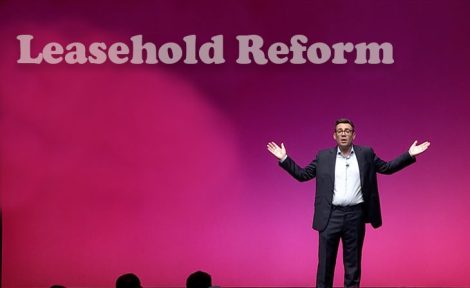
The Government’s latest announcement about the Commonhold and Leasehold Reform Bill marks a significant moment for the property market. Banning most new leasehold flats and moving towards commonhold represents a clear attempt to address a system that, for many homeowners, has become increasingly difficult to justify.
The ambition is right. Buyers deserve clarity, transparency and genuine control over what is often the biggest financial commitment of their lives. For too long, people have bought homes only to discover that their ownership comes with escalating costs, complicated lease extensions and limited influence over how their buildings are managed.
Moving towards commonhold for new-build flats could help restore confidence and establish a fairer, more straightforward model of apartment ownership. However, we must be careful not to confuse positive headlines with immediate improvements for homeowners.
The real test is what happens to the millions of people who already own leasehold properties.
The real test is what happens to the millions of people who already own leasehold properties.
Take the proposed £250 ground rent cap. While welcome, it is not expected to take effect until 2028, and the Government has retained a 40-year transition period before ground rents reduce to a peppercorn. For leaseholders facing high or escalating ground rents today, that is hardly an immediate solution.
Scrutiny
Service charges are another area requiring scrutiny. Compulsory reserve funds may help prevent homeowners being hit with substantial unexpected bills for major works, but they could also mean higher regular contributions. Will these measures genuinely make ownership more affordable, or simply change when homeowners pay?
Nor will converting existing buildings to commonhold necessarily be straightforward or inexpensive. Leaseholders will need to acquire the freehold as part of the process. This could mean significant legal and professional costs, while securing agreement among the majority residents in a block could prove challenging. Greater control is an attractive prospect, but it must be financially and practically achievable.
The lettings market must also be part of this conversation. A significant proportion of flats are owned by landlords and rented to tenants. How buildings are managed has a direct impact on both. Landlords need confidence that their investments are protected, while tenants deserve safe, well-maintained homes and prompt action when things go wrong.
Poor property management
As an agency operating across sales and lettings, we see the consequences of poor property management from every angle. It is not simply about collecting rent or arranging repairs; it is about protecting buildings, investments and the people who live in them.
Ultimately, legislation alone cannot fix every problem. The detail, implementation and quality of property management will be just as important as the reforms themselves. We also need clear responsibilities, realistic timescales and accessible routes for resolving disputes.
Reform is long overdue, but we must hold the Government to its promise. A fairer system cannot simply benefit tomorrow’s buyers. It must deliver tangible improvements for the millions of homeowners, landlords and tenants already living with the consequences of leasehold.
Author bio: Nick Kyriacou is a Director of London firm Mi Homes Estate Agents