AGENT BLOG: This week’s inflation data will be vital for agents
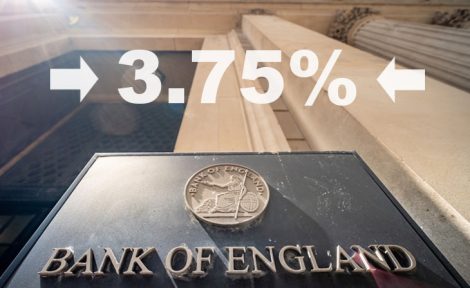
Tom Bill says anyone buying or selling should watch Wednesday's inflation data closely as it will provide a good steer on the direction of interest rates.

Rarely has one month’s inflation figure been so widely anticipated by such a large group of homeowners.
Whether you are buying, selling or re-mortgaging, this week’s number should provide a useful steer on the direction of travel for interest rates.
If there are no nasty surprises or it is lower than expected, it will bolster the arguments of those who believe the bank rate is near its peak.
HIGHER FOR LONGER
This is particularly true in relation to the core inflation reading. If it is higher than expected, it raises the prospect that rates may stay higher for longer and could, for example, make a fixed-rate mortgage more appealing than a tracker.
Mortgage lenders have been cutting rates in recent weeks on the back of better-than-expected inflation data in July.
The five-year swap rate, which lenders use to price fixed-rate deals of the same length, has fallen back (marginally) from its post-mini-Budget highs and was hovering just above 5% last week.
Although this compares to a figure of less than 1% two years ago, the UK property market has so far defied the negative hyperbole in 2023. It’s neither ‘on its knees’ or ‘heading over a cliff’.
FAILRY PEDESTRIAN
In fact, for such a politically divisive and emotionally charged topic, the reality is fairly pedestrian.
The latest Halifax and Nationwide numbers suggest the market is getting weaker but the annual declines being recorded are still less than 5%.
A double-digit price decline feels like a stretch this year, particularly if the bank rate peak is close. Not that national indices will necessarily tell you what is happening on your street.
Demand continues to benefit from the shock-absorber effect of strong wage growth (which may start outpacing inflation this week), lockdown savings, the availability of longer mortgage terms, lender flexibility and the popularity of fixed-rate deals in recent years.
Furthermore, last week’s GDP numbers beat expectations, meaning the prospect of a sentiment-sapping recession has become more remote.
PRICE SENSITIVE
Despite this steadily improving picture, buyers are understandably price sensitive in the current economic environment. The London market outperformed the wider UK in July largely because of the fact prices in the capital had risen so little during the pandemic.
Buyers want what they believe to be tomorrow’s (lower) prices and sellers tend to want the (higher) prices seen during the pandemic.
This expectation gap (together with higher mortgage costs) has cut sales volumes notably. Mortgage approvals in June were a fifth down on the five-year average excluding 2020.
Lower trading volumes means lenders are particularly keen to lend, which should keep downwards pressure on mortgage rates if there are no nasty surprises in the inflation data this week.
Tom Bill is head of UK residential research at Knight Frank
Picture: LondonProperty.co.uk