SUPPLY AND DEMAND: Buyers gain choice as sellers face growing pressure
Property market expert, Kate Faulkner, takes a look at buyer demand, price reductions and the challenges facing homeowners trying to sell.
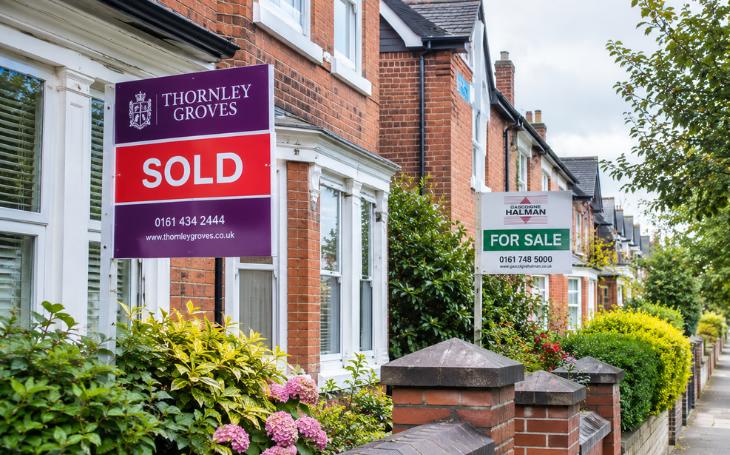 While house price indices help us understand what is happening to property values, several also provide useful insights into buyer demand, how long it takes to secure a buyer and the level of competition for sellers.
The latest findings suggest buyers have more choice, but conditions vary considerably depending on where a property is located.
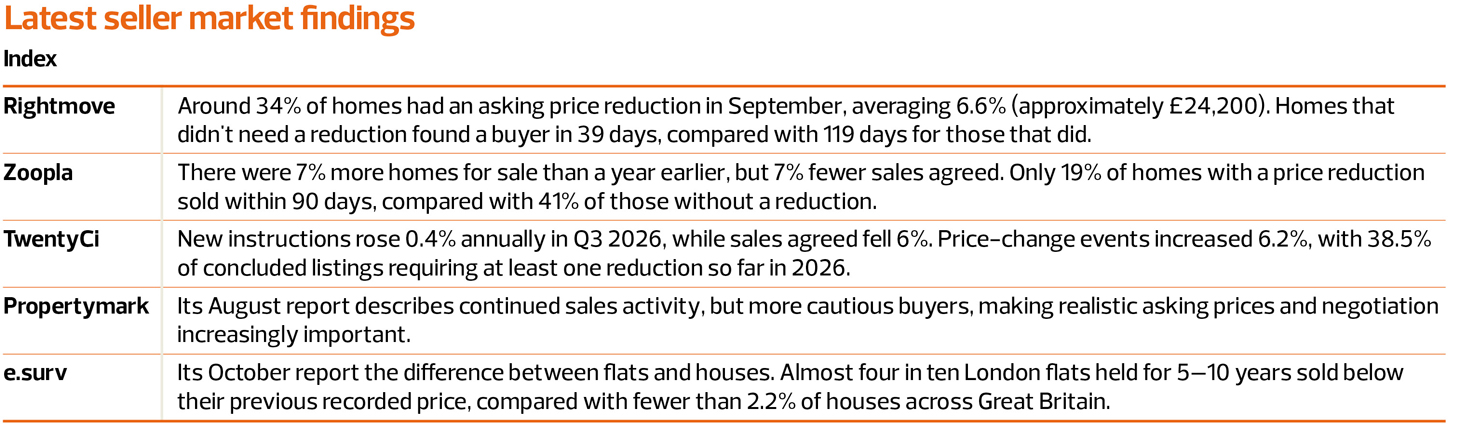
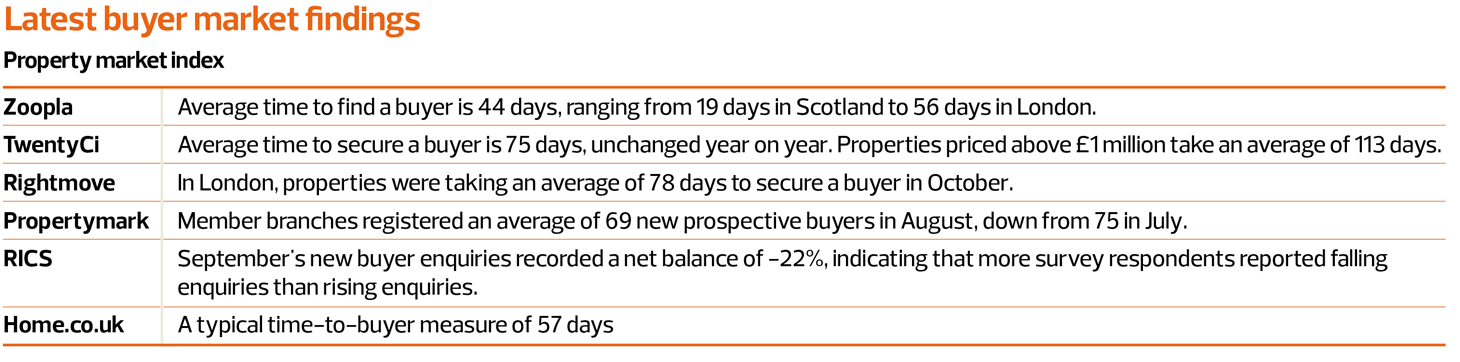
Note: Each organisation uses different data and methodologies. Figures should be treated as separate indicators of buyer activity rather than directly comparable measures.
TwentyCi’s data shows that new instructions rose slightly in Q3, while sales agreed fell by 6%. Zoopla’s October figures tell a similar story, with the number of properties for sale up by 7% and sales agreed down by 7% year on year.
What this suggests is that the problem for sellers isn’t necessarily a lack of buyers, but that there are more properties competing for their attention. This means sellers and agents working on their behalf need to work harder to attract buyers, particularly when it comes to pricing their property realistically.
What will sellers do next?
For me, one of the bigger questions that will affect the property market over the coming months is what sellers decide to do next.
Will they keep their properties on the market, particularly if they’ve already spent much of the year trying to sell? And if they do, will they finally accept bigger price reductions than we’ve seen so far? Or will they simply withdraw their properties and decide to sit tight for another few years?
My slight concern is that we could be moving into quite different times for the property market, partly because of the changes we’re seeing in the age of our population. As our population ages, we’re likely to see more people wanting to trade down rather than up.
We saw some of these changes during the pandemic, when the types of properties changing hands shifted. People trading up and down were often selling houses to each other, rather than necessarily relying on first-time buyers to start the chain in the way they might have done in the past.
What I’m seeing locally is a lot more people looking to trade down, but not necessarily more wanting, or being able to afford, to trade up.”
Now, what I’m seeing locally is a lot more people looking to trade down, but not necessarily more wanting, or being able to afford, to trade up to the properties they are selling.
The problem is that, while mortgage rates remain higher than we’d like them to be in the longer term, and unless demand for these properties increases, some larger homes could end up sitting on the market for quite some time, or worse, not even be able to find a buyer. And I’m already seeing this happening, albeit in the Midlands, so it may be very different in other areas.
It’s not necessarily that they’re undesirable properties. Some are absolutely lovely. But there may simply not be enough buyers who either want them or can afford to purchase them at the prices sellers are hoping to achieve.
Unlike lower priced properties, there is unlikely to be an investor willing and able to step in to help ensure the property sells. And that’s potentially quite a different challenge from the one we’ve been used to in the past.
Figures from Chris Watkin and TwentyEA suggest that what I’m seeing locally may be happening in other areas too.
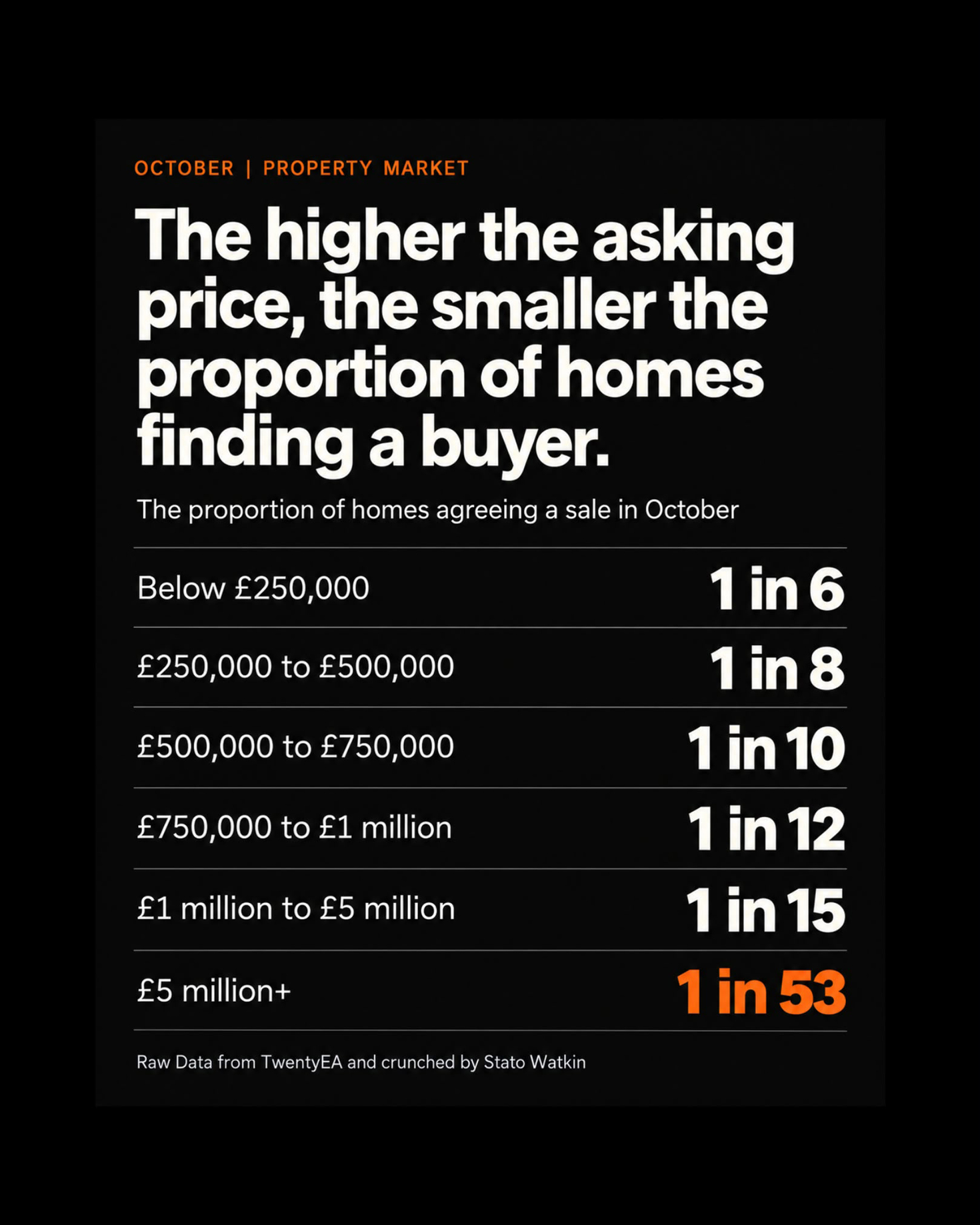
Properties priced below £500,000 are still selling relatively well. However, with house price growth slowing over the year, people’s ability to trade up to more expensive properties has potentially become more restricted.
So I do wonder whether we’re starting to see a more fundamental change in the balance between the types of properties people want to sell and those that buyers are willing and able to purchase.
And if that’s the case, simply waiting for mortgage rates to fall may not be enough to solve the problem for every seller.
What are you seeing in your local market?
Are you seeing a change in the types of sellers coming onto the market, particularly more people looking to downsize?
Are larger or more expensive homes taking longer to sell, while smaller properties are still attracting buyers?
And perhaps most importantly, what do you think sellers will do next? Will they start accepting bigger price reductions, and would that actually encourage more buyers? Or will they decide to take their properties off the market altogether until demand improves?
I’d be particularly interested to hear whether what I’m seeing locally is being reflected in other parts of the country.