Big student accommodation provider warns of impact of RRB
The CEO of Unite Students, Joe Lister, has warned that the Renters' Rights Bill will significantly increase costs for students and reduce HMO housing supply.

Unite Students has warned that the Renters’ Rights Bill will significantly increase costs for students and reduce HMO housing supply.
The student accommodation provider is one of the biggest student accommodation providers in the UK, operating 151 properties across 23 UK cities and housing over 68,000 students annually.
Higher costs and reduced availability
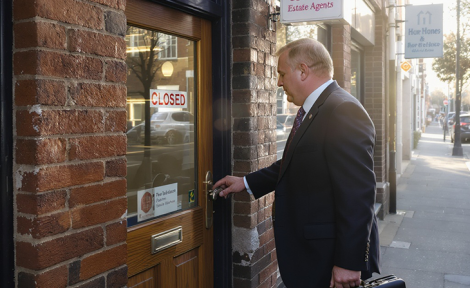
It is, though, so concerned about the RRB’s impact and how it will be implemented that, according to Chief Executive Joe Lister (pictured), it is having to continually ‘engage with Government to understand the impact of the transitional arrangements for existing tenancies at the time of implementation.’
Lister told City AM he is expecting the Renters’ Rights Bill to result in higher costs for students and reduced availability of Houses of Multiple Occupancy (HMO) student housing. He is anticipating the bill will come into effect during the 2025/26 academic year and that it will impact tenancies the following year.
Serious transition issues
Unite is just one of a number of concerned landlords in the sector, especially those who have smaller HMOs. As was reported in The Neg, there is a proposed fixed contract exemption for student accommodation. Ground 4, as it is currently drafted, will allow landlords to regain possession of properties let to students in line with the academic calendar, but only for those HMOs with three or more bedrooms.
Data from accommodationforstudents.com suggests that one and two-bedroom properties account for around one-third (32%) of all ‘off-street’ student housing. Excluding them could therefore have a major impact on supply and push up rents.
Of more concern to the owners of bigger HMOs, though, is that there has been no clarity over what will happen to the many thousands of students who may be on old-style contracts when the rules change, leaving both tenants and landlords in legal limbo.