
BREAKING: Rachel Reeves considers staggered Stamp Duty payments
After months of damaging property tax speculation, Chancellor's proposal to spread Stamp Duty payments offers timely boost for housing market.
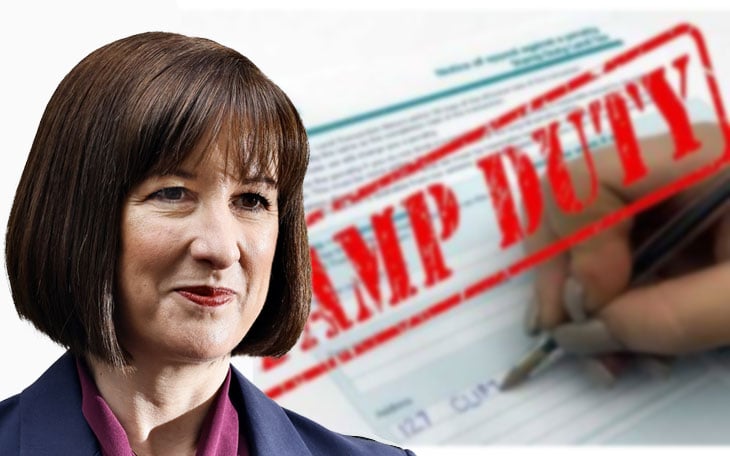
According to a report in City AM, Chancellor Rachel Reeves is considering allowing house buyers to pay Stamp Duty in instalments over several years rather than as an upfront lump sum, as the Treasury seeks ways to stimulate the economy.
The paper was told that the idea “pops up” frequently at meetings in the Treasury, and a Tony Blair Institute report suggested it could be achieved through a government loan scheme.
The proposal would offer Reeves a way to boost economic growth through increased property transactions without sacrificing vital Stamp Duty revenue, which generates over £10bn annually for the Treasury.
Staggering the payment of Stamp Duty is a great proposal as it would help unlock more home moves.”

Richard Donnell, Executive Director at Zoopla (pictured), told The Negotiator: “Staggering the payment of Stamp Duty is a great proposal as it would help unlock more home moves, especially in areas with the highest home values and the biggest costs for home buyers.”
“Stamp Duty is a big cost for many buyers that can put them off purchasing a home. Four in five homeowners pay Stamp Duty, with it also hitting two in five first-time buyers.
But he adds: “The real answer, long term, is to remove Stamp Duty altogether, but as a tax that generates over £10bn a year it’s a tough one to reform.”
damaging speculation
The proposal comes after months of damaging speculation about property tax changes that have rattled market confidence. Simon Gerrard, chairman of Martyn Gerrard Estate Agents, has recently reported that it has caused 20% of his agreed sales to fall through.
And Andrews Property Group has already launched a parliamentary petition calling for flexible Stamp Duty payment options, allowing buyers to spread costs over 2-5 years.











Interesting theory. If it’s a lower upfront cost this will certainly help families and it would probably kick the market into gear. Anything that is seen as an advantage to boost the market will be good for the economy and help the country to get moving forward.
Losing a job or falling ill is always a risk – you’d still have to pay the mortgage. The sting with staggered Stamp Duty is different: years down the line it comes straight out of disposable income. Add a dose of inflation and suddenly last year’s manageable instalment feels like a millstone. What looked like a lifeline up front could end up as a noose later.
Surely not! I’m sure a benevolent HMRC would be happy to consider a revised payment schedule in cases of financial distress.
The Government demands that mortgage and utility companies allow debtors to be given reduced monthly payments and more time to pay, if they request it. It expects creditors to accept “haircuts” during corporate restructurings. And it expects private creditors – landlords, unpaid small companies, utility firms – even if they have been awarded a CCJ, to receive just a few pounds a month and 5 year payment plans, or even a 100% loss, if a debtor announces that they are now self-employed or have declared bankruptcy. Surely therefore the Government should take a similar approach with its own citizen debtors? Stamp duty could perhaps be paid over, say 10-15 years rather than “several”. Maybe “Making Tax Digital” with its new demand for self-assessment and company tax returns every quarter could be abandoned? And I’m feeling a bit pinched for cash myself this month – could I leave off paying PAYE income tax until, say, 2030?