Is Labour running scared that renting reforms will overwhelm courts?
Industry concern grows as minister withholds crucial assessment data over the impact of the Renters' Rights Bill on the justice system.

The Government has been accused by a major industry software firm of ‘stifling debate’ after refusing to publish its own Justice Impact Test for the Renters’ Rights Bill,.
This, it is claimed, raises fresh concerns about whether the court system will be overwhelmed when the renting reforms become law and in particular Section 21 notices are abolished.

Dr Neil Cobbold, Commercial Director at proptech firm Reapit, says the decision not to share the assessment raises “serious questions about transparency and accountability” as the market prepares for major regulatory change, he says.
The Justice Impact Test is designed to estimate the projected volume of court and tribunal cases resulting from new legislation, as well as any changes to legal aid requirements.
All government departments proposing changes that have a potential impact on the courts are required to complete the assessment and submit it to the Ministry of Justice.
For internal use
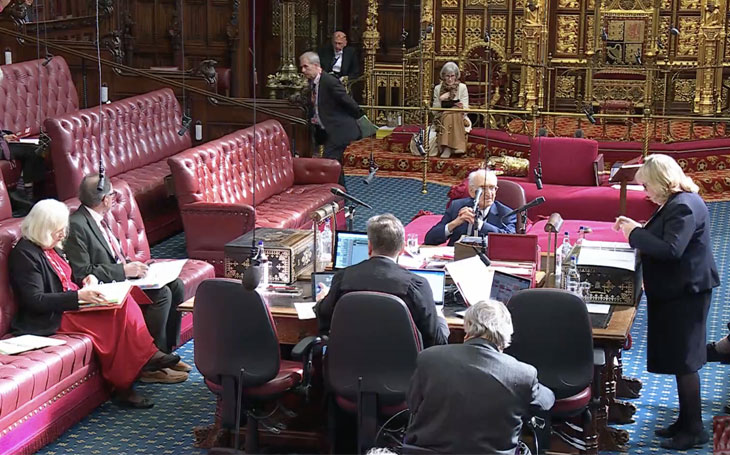
However, when Reapit requested access to the document, Baroness Taylor (left of main picture), Parliamentary Under-Secretary of State at the Ministry of Housing, Communities and Local Government (MHCLG), refused.
She told the proptech firm that: “Justice Impact Assessments are internal government documents which are not routinely published, and therefore I should note that we will not be able to share them with you.”
The minister insisted that MHCLG is: “Working closely with the Ministry of Justice and HM Courts and Tribunal services to agree how these reforms are implemented, ensuring the courts and tribunals will have the resources they need to adjust to any changes in caseloads.”
In the longer term, we expect our reforms to reduce the volume of court possession claims.”
She added: “In the longer term, we expect our reforms to reduce the volume of court possession claims, as only those cases where there is a clear, well-evidenced ground for possession will be able to proceed.”
Unconvinced
But industry figures remain unconvinced, particularly given the Government’s poor track record on impact assessments.
Recent policy changes, including adding VAT to school fees, farmers’ inheritance tax changes and the ending of winter fuel payments have all attracted criticism for the lack of proper analysis of their consequences.
Cobbold says: “The estimate of changes in the number of court and tribunal cases is a vital tool for understanding how the renting reform legislation will affect the property sector, including case volumes, and whether the justice infrastructure is in place to support the change.
Renting debate
“With limited time left for parliamentarians to scrutinise the Bill, the refusal to publish this information will stifle meaningful debate.
“Landlords, tenants, letting agents and legal professionals all need clarity to assess how the Renters’ Rights Bill will impact their operations and access to justice.”
The Bill is expected to receive Royal Assent this summer, with implementation likely to follow later in the year.