Think tank proposes ‘damage-free’ rent controls
The right rent controls can tackle affordability while avoiding unintended consequences, argues Institute for Public Policy Research's Tazu Walden

A national rent stabilisation scheme has been proposed by a leading think tank that would limit rent increases while avoiding the supply and investment problems often associated with rent controls.
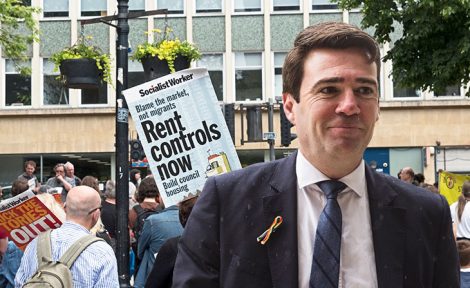
Writing in Red Brick, Tazu Walden (pictured) says 2.4 million households in the private rented sector are struggling to pay their rent and argues that affordability remains a major gap in rental reform.
“Rent controls – if designed well – have the potential to directly tackle affordability and should be firmly on the table for any Government making a serious offer for renters.”
Double-lock
The Institute for Public Policy Research’s (IPPR) proposed “double-lock” model would cap rent rises according to both wage growth and the Consumer Price Index (CPI), with controls applying both during tenancies and when properties are re-let.
Walden, however, acknowledges that rent controls are viewed with caution by policymakers.
“Government has been uneasy about rent controls because their history is littered with cases – New York, Berlin, Massachusetts, Stockholm – where poorly designed systems have had negative consequences.”
She argues the proposal is specifically designed to address the objections often raised by critics.
Our proposal tackles the key concerns that critics point to head-on: reduced supply; property quality; new housebuilding; inequality; and mobility.”
“Not any rent control scheme will do, and our proposal tackles the key concerns that critics point to head-on: reduced supply; property quality; new housebuilding; inequality; and mobility.”
The framework includes exemptions for new-build homes, support for landlords meeting higher housing standards and tighter regulation of short-term lets.
IPPR argues that those controls should be applied nationally, rather than in selected regions, as this would help avoid market distortions and reduce incentives for tenants to remain in the same property simply to retain lower rents.