
Government under pressure to set ‘double lock’ rent cap
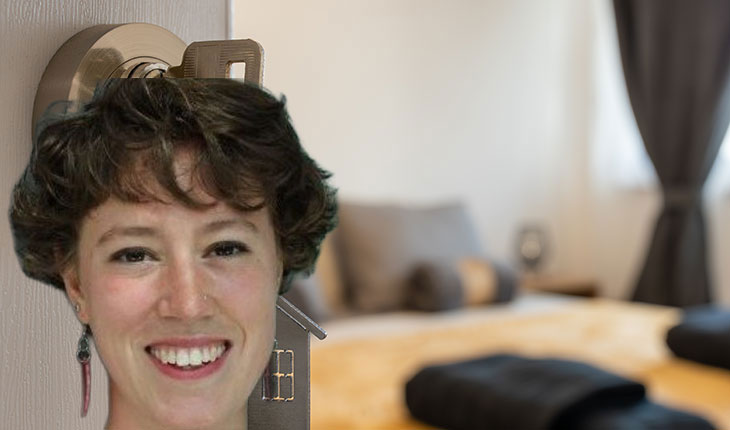
Dr Maya Singer Hobbs, of the IPPR, says millions of renters are being "pushed to the brink".
The Government is under pressure to introduce a ‘double lock’ rent cap less than two weeks after ruling out a freeze.
The IPPR think tank, which describes itself as the most influential in Downing Street, says “millions of renters are being pushed to the brink”.
It says intervention on rent rises is desperately needed to help deal with the cost-of-living crisis.
Ease pressure
A new system of “rent stabilisation to cap excessive increases”, with a double lock “linked to whichever is lower: inflation or wage growth”, is recommended by the IPPR (institute for Public Policy Research).
The double lock rent cap would “ease pressure as 2.4 million households struggle to keep up with rent”, says the IPPR.
Sharp contrast
Housing Secretary Steve Reed recently said the Government was not looking at rent controls, in sharp contrast to reports earlier the same week.
Rachel Reeves, the Chancellor, was reported as saying that she was considering a rent freeze.
According to the IPPR, 2.4 million or 40% of all private renter households in the UK have unaffordable rents, an additional 250,000 since 2023.
Government has taken important steps to strengthen renters’ rights, but it now needs to go further.”
Dr Maya Singer Hobbs, Senior Research Fellow at the IPPR (pictured), says: “Millions of renters are being pushed to the brink by a housing market that simply isn’t working for them.
“This is no longer a marginal issue affecting a small group – it is a mainstream cost-of-living crisis hitting working households across the country. Without action, things will get worse,” she says.
“Government has taken important steps to strengthen renters’ rights, but it now needs to go further.”
Disastrous

But James Cleverly, the Shadow Housing Secretary, told the Daily Telegraph: “Rent controls would be completely disastrous for tenants.
“Cap what landlords can charge and you shrink supply, push rents for new tenants higher and drive landlords out of the market altogether.”






What a shock. Rising rents are caused by a clueless government, influenced by the likes of Shelter (that provide shelter for no one) and Generation Rant. Landlords are on the edge as it is. We have one landlord with 50 houses that says if any form of rent cap/control is introduced he will sell the lot! The country is now run by a circus!