Property costs outpace rental growth for landlords
Research highlights that repair costs are growing at twice the rate of rental income, which is hitting landlord profits.
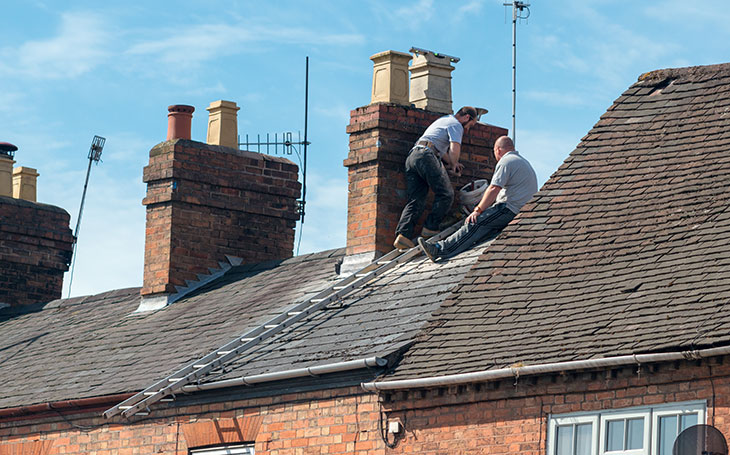
The cost of running a rental property has risen far faster than the rent it produces, new research suggests.
Analysis of HMRC’s property rental income statistics by lettings platform Hello Neighbour found that unincorporated landlords declared £34.75billion of allowable expenses in 2024/25 against £58.99billion of rental income.
A sector housing a fifth of the country cannot absorb costs rising at twice the rate of income indefinitely.”
Five years earlier the figures were £22.33billion and £46.69billion respectively.
Expenses have therefore risen by 56% while rental income has gone up by 26% and the share of rental income consumed by costs has climbed from 47.8% to 58.9%, according to the research.
On a per-landlord basis, Hello Neighbour said average rental income reached £20,500 in 2024-2025, the highest in the five-year series, while average declared expenses reached £13,700.
In the most recent year alone, total expenses rose 11% while total property income was, in HMRC’s own description, “fairly consistent”.
Repairs and maintenance were claimed by 1.92 million landlords, the most commonly declared expense at £6.41billion, an average of £3,339 per landlord in a single year, according to Hello Neighbour calculations.
Residential finance costs were the largest expense, reaching £12.82billion in 2024/25, 37% of all expenses declared and almost exactly double the repairs bill. They were claimed by 1.15 million landlords, an average of £11,148 each.
While company landlords can still claim full mortgage interest as an expense, unincorporated landlords can only claim at their marginal rate.
Tax take
Hello Neighbour highlights that a higher rate taxpayer gets £2,230 of mortgage interest relief where full deductibility would have given £4,459, leaving them roughly £2,230 a year worse off compared with a property owned by a company.
Phil Shelley, Chair of Hello Neighbour, says: “A sector housing a fifth of the country cannot absorb costs rising at twice the rate of income indefinitely.
“Landlords are being asked to fund upgrades the country wants through a tax system that treats them worse than a company holding the identical building. Policy needs a second setting that helps compliant landlords meet the standards rather than only penalising the minority who do not.”