Tenants typically spend a third of their income on rent
Lomond's John Ennis says: "The rental market remains resilient, but affordability continues to be a key consideration for many households."

Tenants are spending almost a third of annual income on rent, new research has revealed.
The findings by Lomond suggested that tenants typically spend a total of 32.7% of their annual salary on keeping a roof over their head.
The average monthly rent has increased 4.3% year-on-year and currently stands at £1,369.
It comes at a period of huge change for the rental market as the biggest shake-up in a generation – the Renters’ Rights Act – settles in following its introduction earlier this year.
The rental market remains resilient, but affordability continues to be a key consideration for many households.”
John Ennis, Chief Revenue Officer of Lomond, (pictured) says: “Our report shows that the rental market remains resilient, but affordability continues to be a key consideration for many households.
“With tenants now spending almost a third of their annual income on rent, the importance of delivering well-managed, high-quality homes in the right locations has never been greater.”
Region differences
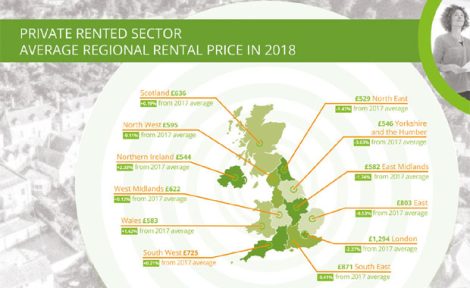
The are big regional differences in terms of rental prices. London commands a substantial premium with average rents reaching £2,418 a month, which is 76% above the average for the country as a whole.
Meanwhile, the North West and Yorkshire both recorded 5% increases in average monthly rents, reaching £1,215 and £1,283 respectively.
Yorkshire lettings remained solid during the three months to the end of June, with more tenants moving in than during the same period last year.
Two and three-bedroom terraces and semi-detached homes were the most sought-after property types.
The data also revealed that the average tenant is 31.5 years old, with Scotland home to the youngest at an average of 25 years old.
Affordability concerns
Ennis adds: “What we’re seeing is not a slowdown in demand, but a shift in renter priorities, with tenants increasingly focused on long-term value.
“At the same time, landlords are adapting to a changing regulatory landscape, with the Renters’ Rights Act encouraging a greater emphasis on sustainable, long-term tenancies.”
Ennis says success in the current market is no longer about filling a property quickly, but about matching the right tenant with the right home and creating tenancies that work for everyone involved.