Renewed uncertainty about this week’s Bank Rate decision
A rate rise by the European Central Bank has added to pressure ahead of Thursday’s Monetary Policy Committee meeting.
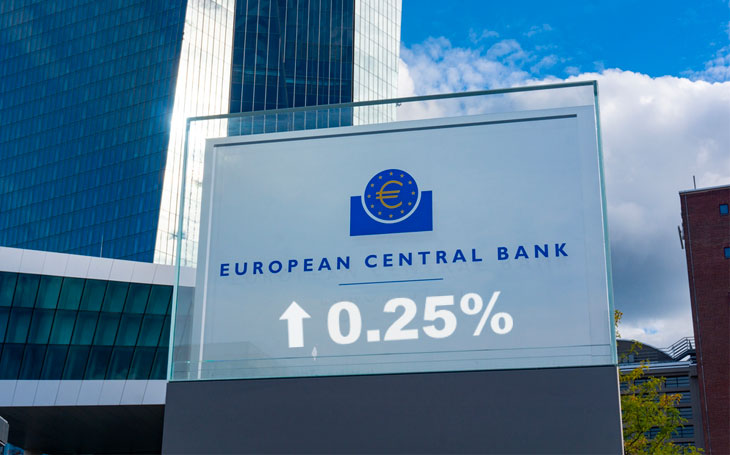
There is renewed uncertainty over the Bank of England’s Bank Rate decision this week after the European Central Bank’s (ECB) decision to raise borrowing costs.
Policymakers were already grappling with rising prices and a slowing economy, with the latest inflation figures due only a day before the Bank announces its latest decision.
To add to that pressure, last week the ECB became the first G7 central bank to raise interest rates when it increased borrowing costs by 0.25 percentage points to 2.25%.
Justifying the increase, the ECB said the conflict in the Middle East had pushed up energy costs, driving inflation higher across the eurozone, and warned of upside risks to inflation and downside risks to economic growth.
Opinion divided
Economists, however, remain divided about how serious those inflation risks have become for Britain.

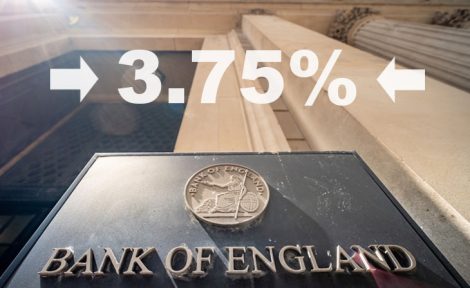
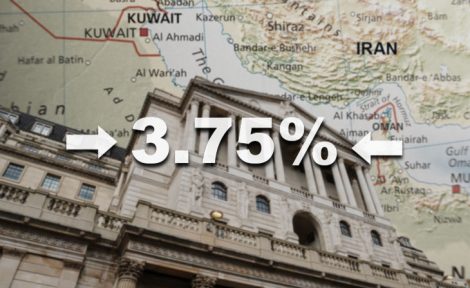
Danni Hewson, Head of Financial Analysis at AJ Bell, told This is Money: “The majority of the Bank of England’s rate setters are expected to stay firmly on the fence during next week’s MPC meeting, keeping interest rates on hold at 3.75 per cent.”
She said a sluggish economy, weak labour market and wider uncertainty are likely to persuade policymakers that holding rates steady remains the best option, despite the ECB’s decision to take action.
Others believe inflation risks are becoming harder to ignore.
There is an inflationary shock afoot.”

Simon French, Chief Economist at Panmure Liberum, said: “There is an inflationary shock afoot.”
He added that the Bank faces a difficult balancing act as it navigates renewed domestic political risk and the legacy of high inflation, while warning that upside risks to interest rates are growing.
Most analysts, however, still expect the Bank Rate to remain unchanged on Thursday.