Static lending rates may fuel house prices
UK home prices expected to rise next year after Bank of England shies away from early 2016 rate increase.
 Residential property prices in the UK will almost certainly continue to rise next year after the Bank of England implied the first interest rate rise may not happen before 2017, according to Savills.
With borrowing costs set to remain low, the company forecasts that UK home prices will rise by an average of 17 per cent over the next five years, led by gains in the South East of the country, with an increase of 21.6 per cent, while properties in the North East will appreciate by only 12 per cent over the period, Savills said.
The forecasts are based on interest rates staying below 4.5 per cent, but it is now expected that the base rate may only increase to 0.75 per cent in around 2017.
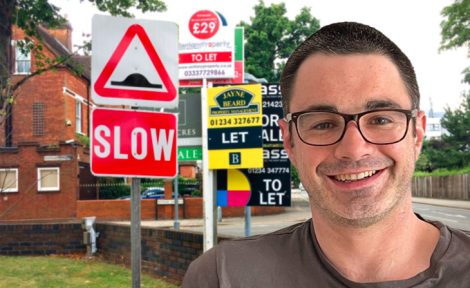
 “If interest rates rise too quickly, mainstream house price growth will be quickly be curtailed,” said Lucian Cook (left), Head of UK Residential Research for Savills. “On the flip side, if rates remain low for too long, there is a risk that prices will rise too far, creating affordability issues further down the line.”
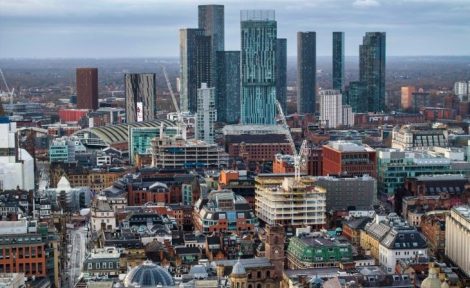
Property prices in London, which have increased more than other parts of the UK in recent years, are expected to rise by 15.3 per cent, with lower value outer London boroughs offering ‘greater remaining capacity for house price growth’ than higher value parts of the capital, according to Savills.
A separate report released by haart projects that the top end of the property market, particularly in London, will see a price correction in 2016 because of the impact of stamp duty, consisting of a 10 per cent drop in value for homes over £1 million.
However, with no real improvement in levels of property stock expected next year, the firm predicts that home prices in the core UK property market will rise by up to 10 per cent next year.
 “On paper it will look like a tale of two countries as London will see an increase of around three to four per cent due to the top-end market correction,” said Paul Smith (right), CEO at haart estate agents.
He added, “There are around 29 buyers chasing every property listing and an abundance of mortgage providers but the problem remains a lack of appropriate stock. Unless the government takes drastic action to drive either private or public sector house building the situation is not likely to improve next year.”