Burnham sets out vision for housing market
Housing must return to the top of the agenda, says Burnham, as he seeks to reduce costly reliance on private rentals.
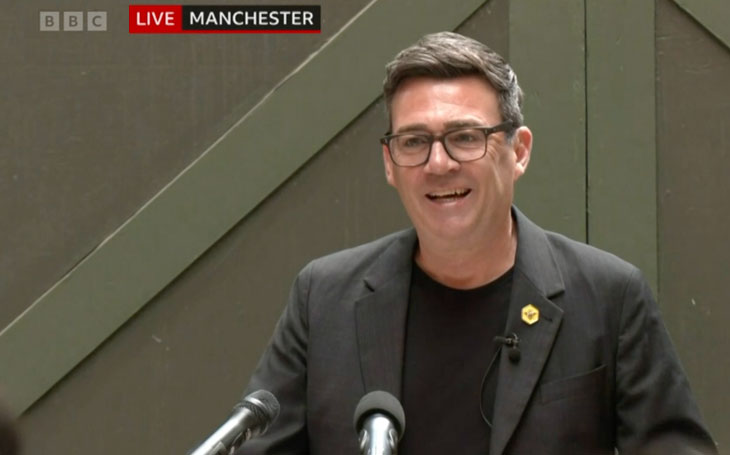
In his first major speech in Manchester, Andy Burnham has outlined his plans for a major overhaul of the housing sector.
At the heart of his proposals is the biggest council housebuilding programme since the post-war period, which he hopes will end Britain’s dependence on private landlords.
Housing trap
“The country is in a housing trap,” he said. “We are forced to chase rents in the private rented sector through the benefit system.”
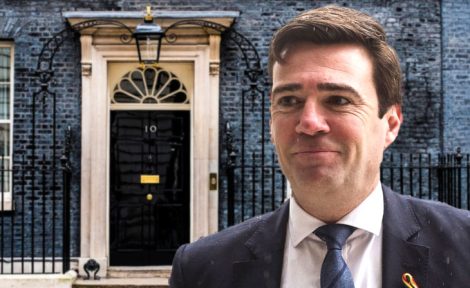
Burnham (pictured) added that Britain had lost almost 1.5 million council homes since the 1980s, while around the same number of people are now on housing waiting lists.
He argued that attempts to control housing costs by freezing Local Housing Allowance “makes families homeless” and places “unfunded pressures on councils when they have to pay for temporary accommodation”.
Britain’s housing crisis is having a ruinous impact on its public finances.”
“Britain’s housing crisis is having a ruinous impact on its public finances,” he said and promised to use “public land, vacant public land, to reduce costs”.
The programme would be delivered through devolved regions and local leaders rather than Whitehall, as Burnham believes local areas are best placed to drive housing delivery, regeneration and economic growth.
Burnham also pledged to bring “higher density residential development to our towns”, helping to increase footfall on high streets while protecting more green space from development.
Housing should be at the centre of Government policy, he argued and that “everything starts with a good home.
“If you don’t give people a good home, what chance have they got of having a good life?
“This country finally has to put that at the top of its priority list.”
Burnham has not yet, however, revealed how the council housebuilding programme would be funded.

Nathan Emerson, Chief Executive of Propertymark, said: “Propertymark welcomes ambitions that place housing at the heart of UK Government policy. Ensuring the right homes are built in the right places at the right time is essential to help meet the needs of an ever-growing population.
“Alongside social and council housing, continued investment in homes for private ownership and in the private rented sector is also vital to ensure the needs of a diverse housing market are fully met and that the promise to deliver 1.5 million affordable and sustainable homes in England by 2029 is fulfilled.
“At the same time, any major housing reform must be carefully scrutinised to ensure it achieves all intended outcomes. Greater local control could help support a more responsive overall decision-making process that better reflects regional housing needs moving forward.”

Heather Powell, a Partner of accountants Blick Rothenberg, said: “Andy Burnham has announced that if he becomes Prime Minister, he will bring in the biggest council house building programme since the post-war period. But a number of questions need to be answered, most importantly, ‘Who will pay for them?’
“More council houses and affordable homes are aspirations that we can all support. Andy Burnham has said he will release surplus land owned by the government but is this in the right place for new homes? Will the rents cover the construction costs? Has Andy Burnham identified funding for any additional Government subsidies required?
“Another important question is ‘Will these homes be held by the Councils for tenants in perpetuity and protected from Right to Buy?’ The Right to Buy scheme allows most council tenants to buy their council home at a discount – and historically the proceeds have not been reinvested in replacement homes – resulting in an ever-decreasing stock of affordable homes.”
 Vanessa Hale, Chief Executive, Real Estate:UK, said: “The real estate sector has a critical role to play in boosting growth across the UK, working not only with national government, but also with newly empowered mayors and local leaders through genuine partnership working to deploy place-based funds, facilitate the development of industrial clusters, deliver the successful regeneration of places, and build new homes as part of a place-first, ‘good growth’ approach.
“With a stable and supportive policy framework, we can build the affordable and higher density homes that Andy Burnham says he wants.
“However, the full benefits of this will only be delivered if the same radical approach to reforming the role of government is also applied to how government works with the private sector, including full recognition of the challenges that the real estate industry faces, such as the viability crisis which has effectively stalled building activity across the country, that enhanced local and regional authorities need the extra resourcing to match the scale of their ambition, and an understanding that the need for stability is paramount for those seeking to make long-term investment into the UK.”

Paul Rickard, Chief Executive, Pocket Living, said: “It is absolutely right to focus on how the UK can continue to support and grow its key industrial sectors, such as life sciences and our defence industrial complex, with empowered regional mayors and local authorities sitting at the heart of this.
“This enhanced devolution of powers and focus on innovative place-first good growth, including large-scale regeneration and housing, forms part of the bold thinking that we need to see happen and it is very pleasing to see housing being directly linked to the success of the UK’s overall economic strategy.
“The focus on public partnership and increased housing powers to all regions, including London, is likewise welcome. Whilst the aspiration to supercharge council housing is admirable, alongside this we also need to deliver homes for key workers and young professionals if our regions are to truly prosper and SMEs play an instrumental role in delivering local housing for local people and local place-based success.”

Olly Cheng, Financial Planning Divisional Lead at Rathbones, said: “There’s no shortage of ambition in Andy Burnham’s pitch, but markets will be scrutinising his plans for clues on how they could work in practice, and what they might mean for UK PLC.
“From a personal finance perspective, there was plenty of style but little substance – likely by design, with the speech aimed as much at appealing to Labour members amid the race for No.10 as outlining an economic programme.
“The agenda was broad, spanning decentralisation, business rates relief and council house building, while notably reaffirming a commitment to existing fiscal rules – a signal likely aimed at reassuring markets wary of upward pressure on borrowing costs. But the backdrop remains challenging: public finances are tight, headroom for additional spending is limited, and difficult trade-offs on welfare and defence remain unresolved.
“That leaves a critical gap. The key question is not just what changes are being proposed, but how they will be paid for. For many of our clients, the central concern remains what the new government could mean for taxes.
“The choice of chancellor will be just as important as the prime minister in shaping that outlook, setting the tone for both fiscal policy and market confidence. Until there is greater clarity, speculation is inevitable – but reacting to incomplete details risks misjudging the direction of travel. The numbers behind the narrative will ultimately matter most.”