The creaky Tribunal system won’t cope with a rise in contested rent increases
Those working within the industry are worried that Ministers haven't realised how unprepared Tribunals are for a deluge of tenants contesting rises.
Ministers have been claiming earnestly in recent months that the Renters’ Rights Act will bring greater fairness to the private rental market, in particular via the increased rights it gives tenants to challenge rent rises via England’s Property Tribunals.
While this is laudable, I cannot see how this will work in practice despite the extra cash the Government is about to throw at the courts to increase capacity.
Many experts within the industry agree – Landlord Action’s Paul Shamplina being one and also most recently the UK’s leading commercial property lobbying group RE:UK, which used Freedom of Information requests to work out that the Government does not know how long rent reviews are taking to complete other than that, on average, a fifth take up to ten weeks while the rest take longer than that.

The organisation’s spokesperson Kate Butler warned that she is ‘deeply concerned’ that ministerial promises to ensure the Tribunal system is ready for the expected deluge of tenants contesting rent hikes served via the now mandatory Section 13 notices will not be enough.
One key problem here is that although several suppliers to the industry claim to have launched tech platforms that can ascertain what a ‘market rent’ is for a rental property, the Tribunal system remains very much under-teched and ‘hands on’.
It is not unusual for Tribunal members to visit properties in person prior to giving judgement, and these decisions are often very long – one recent example for a flat in Bolton that I looked at ran to five pages of small-font deliberation and commentary over a £50 monthly rise in rent being contested by the property’s tenant, which to me seems a crazy allocation of the nation’s resources.
Lengthy
Such market rent decisions are lengthy because they have to consider and record a considerable number of mitigating factors such as quality and speed of repairs, reported damp and other problems, landlord behaviour and whether any rent rise will cause the tenant undue hardship.
On a practical level, agents must remember that as of 1st May, a landlord can only increase the rent once a year and not in the first 12 months of a new tenancy. Also, they must use Form 4A under Section 13 of the Housing Act 1988 and give the tenant at least two months’ notice.
And remember that the Government has in recent days been encouraging tenants to challenge such requests if a proposed rent increase is above the market rent since the new rules went live on 1st May.
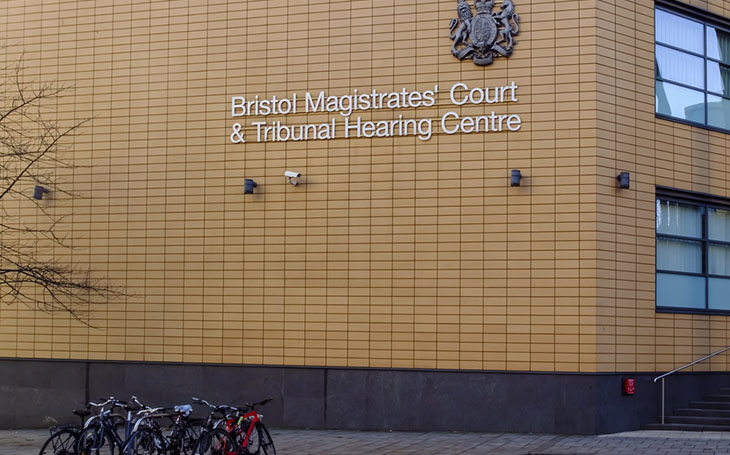
So, as UK:RE has also warned, the numbers of tenants going to a tribunal is likely to increase. At the moment such market rent review cases are relatively rare – last year there were 912 such cases handled by the five regional First Tier Property Tribunals that operate within England, (including in Bristol, main image) and which already have to deal with other lengthy cases such as Rent Repayment Orders, leasehold disputes, landlord penalties for non-compliance with improvement orders and so on.
This already busy system will also tie up letting agents and not just landlords; the Bolton case I mentioned earlier involved the landlord’s agent representing them at the Tribunal which means many more lettings firms will have to supply the evidence to justify the increase in front of a Tribunal.
The next 12 months are going to be very interesting for everyone involved in setting or raising rents in England, however it pans out.