Auctions generate four times more complaints
Consumers are being caught out by unclear auction processes and unexpected fees, warns Chief Property Ombudsman, Lesley Horton.

Property auctions account for just 2% of home sales, but generate more than four times their share of complaints, according to a new report from The Property Ombudsman.
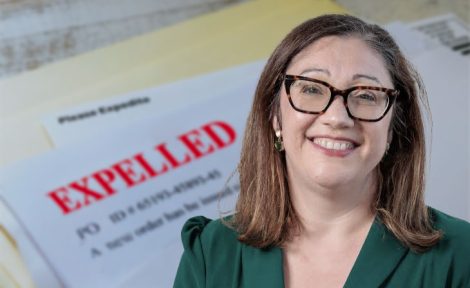
Chief Property Ombudsman Lesley Horton (pictured) says: “Our casework shows that complaints can arise where consumers do not clearly understand the process, where key information is not provided at the right time or where businesses rely on information being available rather than ensuring it is understood.”
Auction complaints
In 2025, the Ombudsman resolved more than 300 complaints relating to property auctions. These accounted for 5% of all complaints received and 9% of residential sales complaints, with the majority – at 68% – raised by buyers or prospective buyers.
The modern method of auction is a growing source of those complaints because it can appear similar to a traditional estate agency sale while involving different fees, deadlines and commitment points.
Reservation fees are said to be a particular flashpoint, especially where buyers believe the payment will be deducted from the purchase price or refunded if a transaction falls through.
Buyers must carry out appropriate checks before bidding or reserving a property.”
Horton says: “Buyers must carry out appropriate checks before bidding or reserving a property, but businesses also have a responsibility to communicate fairly, clearly and transparently. The point of financial or legal commitment must be made impossible to miss.”
The report also highlights complaints involving inaccurate marketing information, incomplete legal packs, unexpected fees and unclear processes, where buyers can face financial or legal consequences much earlier than in a traditional property sale.
The Ombudsman is urging auction providers to make clear which type of auction is being used, when legal and financial commitments begin, what fees are payable and what happens if a sale falls through.
It also wants reservation fees to be treated as a high-risk consumer issue, with clear written and verbal explanations given before any payment is taken.