Government reveals new plans to sort out building safety problems
DLUHC calls for more evidence from leaseholders as it launches new consultation on cladding and high rises.

The Department of Levelling Up, Housing and Communities has published a call for evidence on leaseholder-owned buildings above 11 metres or five storeys, as fears over building safety linger on in the wake of the Grenfell disaster.
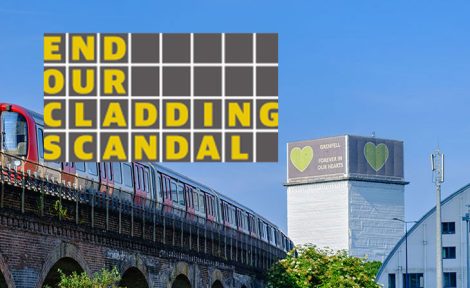
It’s been over five years since the Grenfell Tower fire exposed critical failures in the safety of high-rise buildings in the UK.
Thousands of homeowners and landlords have property that is deemed unsafe – at least 10,000 in England alone.”
External cladding made of aluminium composite material (ACM), installed when Grenfell Tower was refurbished between 2012 and 2016, caught light following a kitchen fire and rapidly spread.
The building, which contained 129 flats over 20 floors, became a blazing inferno killing 72 people.
UNSAFE
An inquiry into the fire, the second phase of which is still ongoing, found that the ACM cladding had a highly combustible core. Insulation boards beneath it were also made of a combustible material.
ACM cladding has been used in many high-rise developments, along with other flammable materials now deemed to be unsafe.
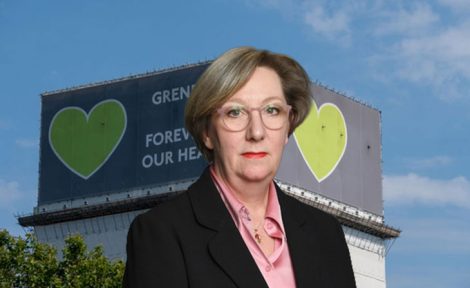
 Levelling up Secretary, Greg Clark (pictured), says: “We are committed to helping every leaseholder suffering at the hands of building safety issues, regardless of the kind of building they find themselves in.
“It’s vital we gather as much information as possible about the scale and nature of the problems leaseholders are facing.”
“I urge anyone in a leaseholder-owned building above 11 metres or five storeys to come forward and share their experiences so that we can help end these issues once and for all.”
During its passage through Parliament, the Government made several changes to the now Building Safety Act 2022 to protect qualifying leaseholders in buildings above 11 metres or five storeys.
The call for evidence can be found here.