‘Don’t blame the parlous state of the property industry on Brexit’
The difficult middle and upper slices of the UK property market, particularly in London, are the fault of George Osborne's 2014 Stamp Duty changes, not the UK's decision to leave the EU, writes veteran agent Trevor Abrahmsohn.

Even intelligent observers of the residential property market, particularly in London, are being fooled into believing that Brexit and its uncertainty is responsible for the slump in activity to date, when the cognoscenti know full well, that it is all down to the ‘fall out’ from Stamp Duty.
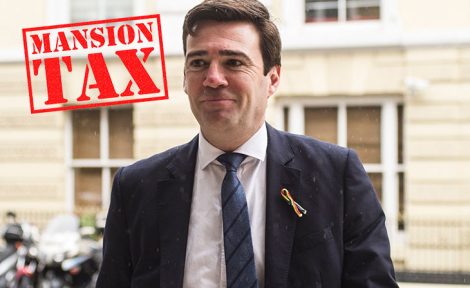
When Mr Osborne imposed these draconian hikes in this tax in 2014, he thought, somewhat stupidly, that it was the Tory’s version of a Mansion Tax. Like all myopic politicians, he had no idea of the devastating effect it would have on other parts of the economy, such as retail spending and the UK growth rate.
Grabbing the Election victory in 2015 from the clutches of Labour was all that mattered at the time and he naturally thought that his strategy of ‘Project Fear’ would win the Referendum vote that would take care of any downfall. How wrong could he be?
With, effectively, 15% SDLT rates at the middle to top end of the market, mainly in London, six out of ten potential buyers have been dissuaded from purchasing altogether, leaving just three to four ‘needs driven’ buyers who are prepared to ‘weather the storm’ and commit themselves.
Although it’s good news for the Treasury, where Stamp Duty Receipts are up, I am quite sure that when you look holistically at the Budget Deficit, the receipts from VAT and Corporation Tax, for example, will be down and therefore, represent a net loss.
Rather than Brexit hindering this property market with uncertainty until a deal is done with the EU, paradoxically, it’s depressing effect on the Sterling Exchange Rate has been de facto, an unexpected bonus to help lure international investors wanting to buy a piece of ‘English heritage’ in London at a good price.
In fact, the more problems associated with the EU negotiations, the lower the Pound and the more incentive there is to buy. However, this only affects the market in excess of £5million, but one hopes that it will have a cascading effect on the lower sectors of the market as well.
Estate agents and associated businesses are in a parlous state, as can be seen from the appalling results from companies such as Foxtons. They need all the help they can get at the moment to survive.
Read more comment from Trevor Abrahmsohn.