
Concerns mount over AI-generated ID fraud in housing market
The emergence of artificial intelligence has led to record levels of ID fraud, warns proptech firm, making it easier and faster to gain access to properties illegally.
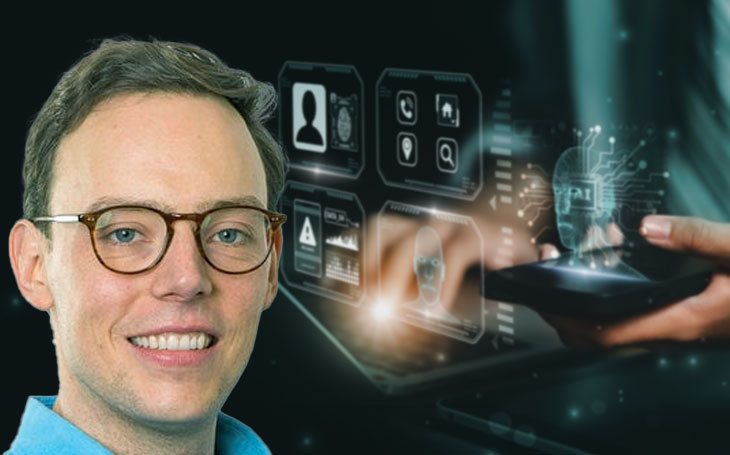
ID fraud is becoming increasingly common as AI makes it faster and easier to produce high-quality fake identity documents, says Thirdfort boss Olly Thornton-Berry (pictured).
According to Cifas’ Fraudscape 2025 report, AI-powered identity fraud tactics have contributed to a 5% rise in reported cases and identity fraud is now the most prevalent type, with fake documents accounting for 30% of all cases.
Fraudsters are also exploiting remote, digital-first environments. 86% of cases were carried out through online channels, which shows both the scale of digital impersonation and the accelerating shift to online services.
More robust solutions
It means, says Thornton-Berry, the property industry needs more robust digital identity solutions. His company’s verification system, for example, uses original ID verification and multi-layered security to verify document authenticity, checks if documents are reported lost or stolen and validates the information is genuine.
He adds that the most reliable systems also incorporate multiple verification features, including validating chipped documents, facial recognition, scanning under various light sources, and cross-referencing external data sources – from PEPs and Sanctions screening to address validation, mortality checks, and databases of lost and stolen documents.
Thirdfort’s solution is proving so popular, Thornton-Berry claims there has been a 48% year-on-year rise in the number of estate agents adopting its technology.
It’s becoming easier for criminals to create convincing fake documents.”
And, he concludes: “The topic of AI is increasingly coming up in sales and onboarding conversations with property professionals. Yet whilst it’s becoming easier for criminals to create convincing fake documents, we have specific protocols in place to protect against these risks.
“Thirdfort’s identity verification solutions use NFC-based ID verification and biometric chip reading to extract and validate data, performing ‘liveness’ checks by matching a user’s facial scan with the photo on their passport chip.”
