Wales proceeds with HMO council tax changes despite ‘flawed’ consultation process
Government commits to single billing system following consultation that revealed unexpectedly high levels of opposition.

Wales is to proceed with its HMO council tax reforms despite majority opposition during the consultation process, with the Government blaming poor communication, which resulted in widespread confusion over the precise nature of the changes.
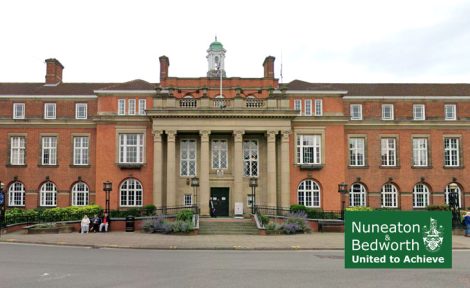
Rebecca Evans MS (pictured), Welsh Cabinet Secretary for Finance, Constitution and Cabinet Office, confirms the Government is committed to restoring the longstanding approach of valuing HMOs as single properties and aligning its rules with England.
Single properties
Currently, some Welsh HMOs are ‘disaggregated’, meaning each room receives its own council tax band with occupiers paying directly to councils – which some cash-strapped councils have adopted as an approach to raise more tax revenue. The changes will ensure all HMOs are banded as single properties with liability resting with landlords, who can apportion costs to tenants.
The 12-week consultation revealed that 54% disagreed with the policy and just 43% supported it. However, the Government’s analysis reveals many concerns stemmed from poorly worded documentation that confused respondents.
Misunderstandings
Comments suggested readers thought the changes would make landlords liable for council tax on their entire property portfolios rather than just HMOs.
Local councils, the Welsh Local Government Association, NRLA and Propertymark, however, all backed the changes.
The decision follows England’s 2023 reforms, which ended disaggregation and saved tenants up to £1,000 annually. Industry figures had criticised the old system as allowing cash-starved councils to target low-income tenants with excessive bills.
The changes will not apply retrospectively, but landlords with disaggregated properties can apply to the Valuation Office Agency to alter valuations.