Property fall-throughs rise amid ‘fragile’ market
Along with fall-throughs, the cost of a failed sale has also increased, says House Buyer Bureau’s Chris Hodgkinson.

The number of property fall-throughs increased by almost 7% during the second quarter of 2026, new research has revealed.
Quick-buy brand House Buyer Bureau analysed the latest data from TwentyCi on the estimated volume of residential fall-throughs in the second quarter of 2026, along with the average cost of a failed transaction.
The analysis shows that an estimated 71,959 property transactions collapsed during the second quarter of the year, up 6.6% on the previous quarter.
Despite this quarterly increase, fall-through volumes remain 8.7% lower than this time last year.
The latest increase highlights just how fragile the process of buying and selling a home can remain.”
As a result of the quarterly increase in the number of failed transactions, the estimated total cost of fall-throughs to the housing market climbed from £239.7million in the first three months of 2026 to £257.9million in the second quarter of 2026. It is an increase of more than £18 million.
While the frequency of fall-throughs increased, the estimated average cost incurred by sellers also edged higher.
House Buyer Bureau’s analysis shows that the average cost of a fall-through stood at an estimated £3,584, up by 0.9% versus the previous quarter. It also remains 2.8% higher than the average cost recorded during the same period last year.
Bad quarter
The latest figures suggest that while the number of failed transactions remains below the levels seen a year ago, the financial impact of each individual fall-through continues to rise.
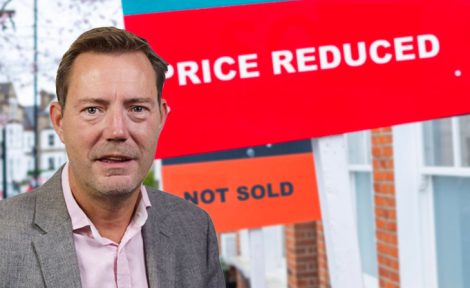
Combined with the quarterly increase in failed transactions, this has once again increased the overall financial burden placed on the housing market, says Chris Hodgkinson (pictured), Managing Director of House Buyer Bureau.
He adds: “It’s disappointing to see the number of collapsed transactions increase again during the second quarter of 2026, resulting in financial losses and stress for tens or thousands of homebuyers and sellers.
“While fall-through volumes remain notably lower than they were this time last year, the latest increase highlights just how fragile the process of buying and selling a home can remain. The fact that the average cost of a failed sale has also continued to rise means that every collapse carries a significant financial consequence for those involved.
“For sellers in particular, a fall-through can mean wasted time, additional costs and the uncertainty of having to put their property back on the market, often after they have already made plans based on their sale completing.
“The good news is that the number of fall-throughs remains below last year’s levels, but the latest figures demonstrate that there is still considerable scope to improve certainty within the transaction process. With affordability pressures, changing buyer circumstances, and wider economic uncertainty continuing to influence the market, reducing the risk of a sale collapsing should remain a priority for both homeowners and the industry as a whole.”