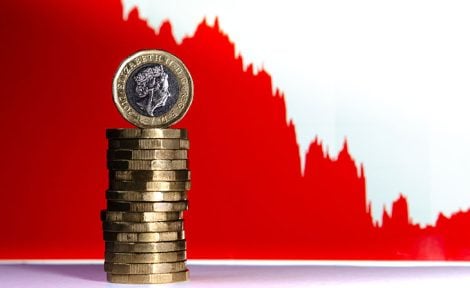
Gulf crisis could deepen housing market downturn, warns leading economist
Ex-Treasury analyst Andrew Wishart says the continuing global disruption puts us in danger of a steep and nasty recession.
ItranIran 
A worsening global backdrop driven by the crisis in the Gulf is now feeding directly into the UK housing market, with a leading economist warning that rising inflation and borrowing costs could accelerate a downturn in both prices and activity.
Andrew Wishart (pictured), Senior UK Economist at Berenberg and former Treasury analyst, believes the downturn risks extend well beyond the property sector if energy-driven inflation persists.
More than a two-month energy price shock.”
He warned that if the war in the Middle East becomes “more than a two-month energy price shock”, Britain risks “a pretty steep, a pretty nasty recession” as the Chancellor may be forced to raise taxes to repair public finances as growth slows.
It is already having a clear effect on the housing market with mortgage rates climbing sharply in recent weeks, pushing up borrowing costs and weakening already stretched affordability.
In addition, the latest Royal Institution of Chartered Surveyors (RICS) data reveals a sharp fall in buyer enquiries and newly agreed sales, which is likely to mean reduced transaction volumes in the months ahead.
As a result, Deutsche Bank now expects house prices to fall by between 3% and 5% this year, reversing earlier expectations of growth.
Negative effect
Wishart told The Telegraph that a housing slump could trigger a “negative wealth effect”, with homeowners cutting spending and housebuilders pulling back on development, further reducing activity across the market.
He added that London and the South East remain particularly exposed, with higher interest rates, lower migration and landlords exiting the rental market all weighing on demand, saying: “Flat house prices is the best we can hope for.”