Shock data reveals only top 10% of workers can afford average home
Affordability has become so stretched that home ownership risks becoming a privilege for the wealthiest rather than a goal for working people, according to house-buying firm.

The UK is facing a long-term ‘structural failure’ in the affordability of home ownership, as new figures reveal that the average-priced home in England is now only financially achievable for the highest-earning 10% of workers.
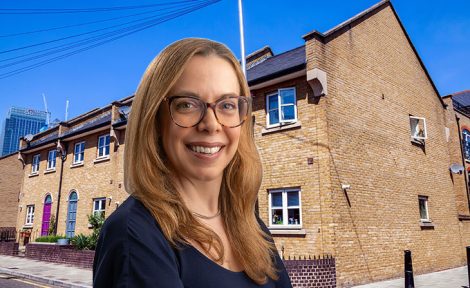
Jason Harris-Cohen (pictured), Managing Director at house buying firm Open Property Group, says: “Our analysis shows that home ownership has become a financial impossibility for the majority of UK earners. What we’re witnessing is not just a temporary market fluctuation but a structural failure that has been decades in the making.
Disconnect
“Wages have not kept pace with rising property values, and this disconnect is now so severe that even diligent savers with stable incomes are finding that the goalposts are constantly shifting out of reach.”
The research, which is based on ONS data, shows the average home now costs 7.7 times the median salary of £37,600, which is far above traditional mortgage limits of 4.5 times income. In several London boroughs, affordability ratios exceed 11 times earnings, and the gap has widened by 75% since 1999.
This growing gap between wages and property prices is locking millions out of ownership and forcing people into long-term renting.”
Harris-Cohen warns that the traditional housing ladder is no longer functioning. He says: “This growing gap between wages and property prices is locking millions out of ownership and forcing people into long-term renting… Instead, it has become a system where those without family wealth or large deposits are left behind.
“If we want to restore balance and fairness to the housing market, policymakers must focus on long-term affordability rather than short-term incentives.
“Without meaningful intervention, we risk creating a generational divide where owning a home becomes a privilege reserved for the wealthiest, rather than a realistic aspiration for working people.”
He points to stagnant wage growth, high deposits, regional income disparities and elevated mortgage rates as key drivers behind the worsening property affordability.