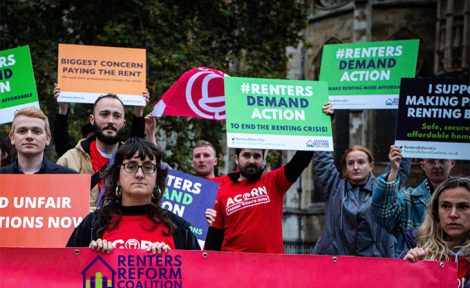
Campaigners urge Labour to go ‘much further’ with renting reforms
Fresh from the success of the Renters’ Rights Bill the Renters’ Reform Coalition is urging the Government to give tenants much more.

A lobbying coalition that represents 21 organisations involved in the private rented sector housing has urged the Government to go even further with its looming renting reform legislation.
The headline measure of the report, which was first aired last week, includes compelling landlords to compensate tenants when they are evicted through no fault of their own.
The Renter’s Reform Coalition (RRC) says in its new report that: “We believe the legislation needs strengthening in some key areas and have been working out the changes needed so renters have security of tenure in quality, affordable homes, with an end to discriminatory practices”.
Within the 28-page dossier, A Roadmap for Reform, the group outlines its other proposals which include:
- A longer protected period – the government must ensure that renters are protected from a no-fault eviction for the first two years of a tenancy.
- Discretionary possession grounds – all grounds for possession introduced by the RRB must be discretionary, to allow courts to consider all factors and where possible avoid or postpone a damaging eviction.
- Affordability – RRC says the government should establish a National Rental Affordability Commission to investigate effective methods to make renting more affordable, including investigating rent controls.
- Rent stabilisation – a cap on in-tenancy rent increases of the lowest of either inflation or wage growth to improve the security of tenure and prevent rent hikes from being used as a back door no-fault evictions.
- Mediated rent pauses for serious disrepair – the introduction of a new legal right to pause rent payments where a landlord fails to carry out essential repairs within a defined timeline.
- Strengthening enforcement and selective licensing – RRC says the Bill will not deliver on its aims unless local authorities are properly funded, which can be done using selective licensing schemes.
- Ending all forms of discrimination in the private rented sector – there has to be limits to landlords’ abilities to demand guarantors or multiplemonths’ rent upfront as well as stronger protections against disability and racial discrimination, including abolishing the Right to Rent.
The group concludes: “We are concerned that the abolition of Section 21 may lead to a rise in illegal evictions undertaken by unscrupulous landlords. We are calling for the Government to significantly strengthen powers for tackling illegal evictions”.